
Warning: This article does not cover chlorides nor chloramines that can damage espresso machine components.
Ensuring every shot of espresso delivers its full flavor depends on keeping your machine free of mineral deposits. Unattended limescale can reduce heating efficiency by up to 50 percent, strain the pump, and alter brew temperature. In this comprehensive guide to how to descale espresso machines, you’ll discover why descaling is non-negotiable, how often to perform it, the best solutions to use, and step-by-step methods for every machine type. We’ll also troubleshoot common problems and share preventative maintenance strategies—all backed by expert insights and supported by the high-quality machines and descaling products available at 1st-line.com.
This article covers:
Why descaling preserves flavor, performance, and lifespan
Optimal descaling intervals by water hardness and machine type
Choosing between commercial solutions and natural alternatives
A detailed, featured-snippet-ready descaling process
Machine-specific protocols for semi-automatic, super-automatic, and heat-exchange models
Troubleshooting stuck descale lights, flow issues, and post-descale taste flaws
Daily and long-term tactics to prevent scale buildup
Why Is Descaling Crucial for Your Espresso Machine?
Descaling, for those who don’t used softened water, is the process of removing calcium and magnesium deposits that form when hard water is heated inside boilers and piping. This maintenance step restores optimal thermal conductivity, prevents blockages, and maintains consistent extraction pressure. For example, a home barista who neglects descaling may notice bitter, under-extracted espresso and erratic pump noise. Regular descaling safeguards flavor profiles and extends machine lifespan while reducing repair costs. Descaling too often can damage internal metals and gaskets, too.
What Causes Limescale Buildup in Espresso Machines?
Limescale forms when dissolved calcium and magnesium ions precipitate out of hard water and accumulate on hot surfaces. Repeated heating cycles in the boiler and group head encourage crystal formation, creating insulating layers that hinder heat transfer. Over time, scale constricts water channels and increases boiler pressure requirements.
How Does Limescale Affect Coffee Quality and Machine Lifespan?
Limescale buildup disrupts heat exchange and water flow, causing temperature fluctuations that extract coffee unevenly. This leads to sour or bitter notes and weak crema. Mechanically, scale increases stress on the pump and boiler seals, accelerating wear and risking component failure. Effective descaling reverses these issues and preserves performance.
What Are the Signs That Your Espresso Machine Needs Descaling?
When your machine exhibits reduced steam power, slower extraction, or a burnt-metal aroma, hard deposits are likely present. Trigger warning signs include:
Erratic Brew Temperature – Water fails to reach optimal 90 – 94 °C
Weak Steam Output – Steam wand pressure drops and takes longer to build
Scale Flakes in Cup – Visible mineral particles in water or espresso
Noise – Popping noise when machine is warming up indicates scale formation on the heating element.
Each of these symptoms underlines the need for a descaling cycle, restoring your machine’s reliability and flavor consistency.
How Often Should You Descale Your Espresso Machine?
The ideal descaling frequency balances water hardness, usage intensity, and machine complexity. Skipping intervals invites heavier scale formation and costly repairs, while over-descaling can stress components. The following table does not indicate usage – meaning how much water passes through the machine.
This table illustrates common recommendations. Adjust intervals if your machine’s descale indicator or your water test results differ, ensuring reliable performance. Water hardness can change over time. Therefore, testing water weekly or monthly is essential.
How Does Water Hardness Influence Descaling Frequency?
Hard water contains higher concentrations of calcium and magnesium, which accelerate scale deposition. Testing with strip kits helps you customize descaling intervals and avoid unnecessary cycles. As hardness rises, deposits form faster, so machines in hard-water regions demand more frequent maintenance. Test strips may not always provide detailed ppm counts.
What Is the Recommended Descaling Schedule for Different Machine Types?
Semi-automatic and manual lever machines benefit from monthly descaling under heavy use, while super-automatic models often include programmed cycles that you activate every 1–2 months. Commercial or heat-exchange systems in cafes may require weekly or monthly descaling during peak operations to prevent downtime.
Do Espresso Machines Have Descale Indicator Lights?
Many modern machines incorporate sensor-based descale alerts that monitor flow rate and pressure. When limescale restricts channels, the system triggers a warning light. Responding promptly to these indicators prevents scale from accumulating beyond manageable levels and safeguards internal components.
What Is the Best Descaling Solution for Espresso Machines?
Choosing the correct descaler dissolves scale without harming seals, gaskets, or metal surfaces. The right formula enhances cleaning action and protects machine internals.
Why Are Commercial Descalers Recommended Over DIY Alternatives?
Commercial formulations blend acids with corrosion inhibitors and surfactants to dissolve scale safely. They provide consistent pH control and rinse totally, avoiding residue or lingering flavors. By contrast, home remedies lack stabilizers and can weaken rubber parts or leave organic residues that compromise coffee taste and machine warranty.
What Are the Active Ingredients in Effective Descaling Solutions?
Effective descalers rely on food-grade acids that dissolve scale while preserving metal and polymer components.
Citric Acid: Chelates calcium carbonate into soluble complexes
Lactic Acid: Penetrates dense scale layers for thorough removal
Sulfamic Acid: Rapidly dissolves stubborn deposits without excessive foaming
Ingredient Mechanism Benefit
Can You Use Vinegar or Natural Alternatives to Descale?
Vinegar (acetic acid) can strip light scale, but its low acidity requires prolonged contact and risks rubber seal degradation. Citric acid powder from the supermarket provides better results than plain vinegar but may still void manufacturer warranties.
Method Issue Addressed Limitations
Although natural alternatives offer cost savings, they introduce trade-offs in safety, machine compatibility, and taste neutrality.
What Are the Environmental Benefits of Eco-Friendly Descalers?
Biodegradable formulations reduce wastewater impact and eliminate phosphates and harsh sulfates. Eco-friendly descalers maintain cleaning performance while supporting sustainability goals in commercial and home settings.
How to Descale Your Espresso Machine: Step-by-Step Process
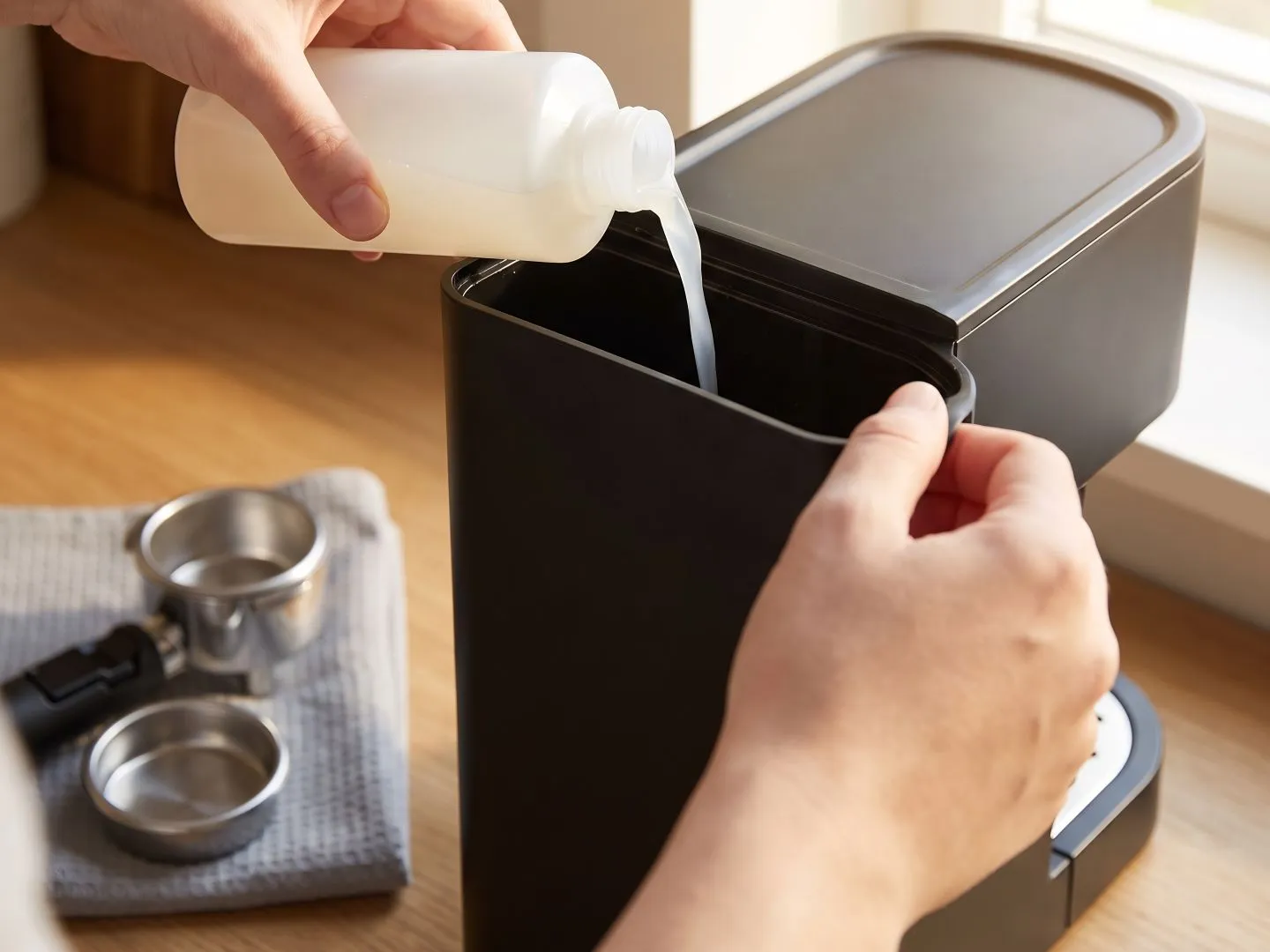
A precise sequence of preparation, application, and rinsing ensures complete scale removal without damaging internal parts. Follow these steps for a featured-snippet-ready descaling cycle.
What Preparations Are Needed Before Descaling?
Begin by draining the water tank, removing any inline filter cartridges, and emptying the drip tray. Ensure the portafilter holder and steam wand are clear of residual water or milk. This prevents contamination of the descaling solution and protects your drain from solid deposits.
How Do You Mix and Apply the Descaling Solution?
Measure the recommended descaler volume and mix with warm water in the reservoir, following manufacturer guidelines. A typical ratio is one tablet or 30 ml of liquid solution per liter of water. Pour the mixture into the machine’s tank and secure the lid.
What Are the Key Steps in Running the Descaling Cycle?
Activate the descaling program or manually run water through the brew head until the tank is half empty.
Flush the steam or water wand by opening it intermittently to allow solution into the boiler.
Pause the cycle for 10–15 minutes to let acids penetrate scale layers.
Complete the descaling run until the tank is empty.
These actions remove deposits from all water-contacting passages and ensure internal surfaces are treated. Review the detailed instructions for each machine type.
How Do You Rinse and Finish the Descaling Process?
Remove and thoroughly rinse the water reservoir. Refill the water tank with fresh water and repeat the brew-head and steam-wand rinse cycle at least twice. This thorough flushing removes any acid residue, preserving coffee flavor and protecting seals. After final rinse, wipe external surfaces and reset your machine’s descaling indicator.
How Do You Descale Different Types of Espresso Machines?
Each machine architecture requires tailored handling to avoid damage and maximize scale removal.
What Is the Best Descaling Method for Semi-Automatic Machines?
Semi-automatic models need descaling solution run through the group head only, with manual soaking in removable boiler units if accessible. Use the procedure above but monitor water flow manually and adjust pause intervals to ensure the group head channels clear completely.
How to Descale Super-Automatic Espresso Machines Safely?
Super-automatic machines incorporate automatic rinsing programs. Engage the built-in descaling cycle via the control panel, ensuring you use the manufacturer-approved solution. Bypass the grinder by removing beans to avoid contamination, and follow on-screen prompts for steam-wand and milk-circuit treatment.
What Are the Steps for Descaling Heat Exchange Espresso Machines?
Heat exchange boilers demand gradual acid exposure to prevent thermal shock. Start with lukewarm solution, run partial cycles, and allow the machine to rest with the solution in place before completing the process. After descaling, perform additional back-flush steps with a blind portafilter to clear the group-head loop thoroughly with descaling solution.
What Are Common Descaling Problems and How Can You Troubleshoot Them?
Even well-executed descaling cycles can encounter issues that require targeted fixes.
Why Does the Descale Light Stay On After Descaling?
If the indicator remains lit, the machine’s scale sensor may detect residual deposits or the counter wasn’t reset. Run an extra rinse cycle and manually reset the maintenance counter per your machine’s instructions to clear the alert.
What to Do If the Descaling Solution Does Not Flow Properly?
Restricted flow often indicates severe buildup or a clogged line. Reduce solution viscosity by adding warm water, then run short cycles and increase pause intervals. If flow remains poor, consult a technician for internal cleaning or filter replacement.
How to Fix Poor Coffee Taste After Descaling?
Acid residue can linger and affect flavor. Perform at least two full water-only flush cycles, brew several blank shots, and purge the steam/water wand thoroughly until no sour aroma remains. Re-prime the boiler by running a short brew-head cycle before brewing espresso.
How Can You Prevent Limescale Buildup and Extend Machine Lifespan?
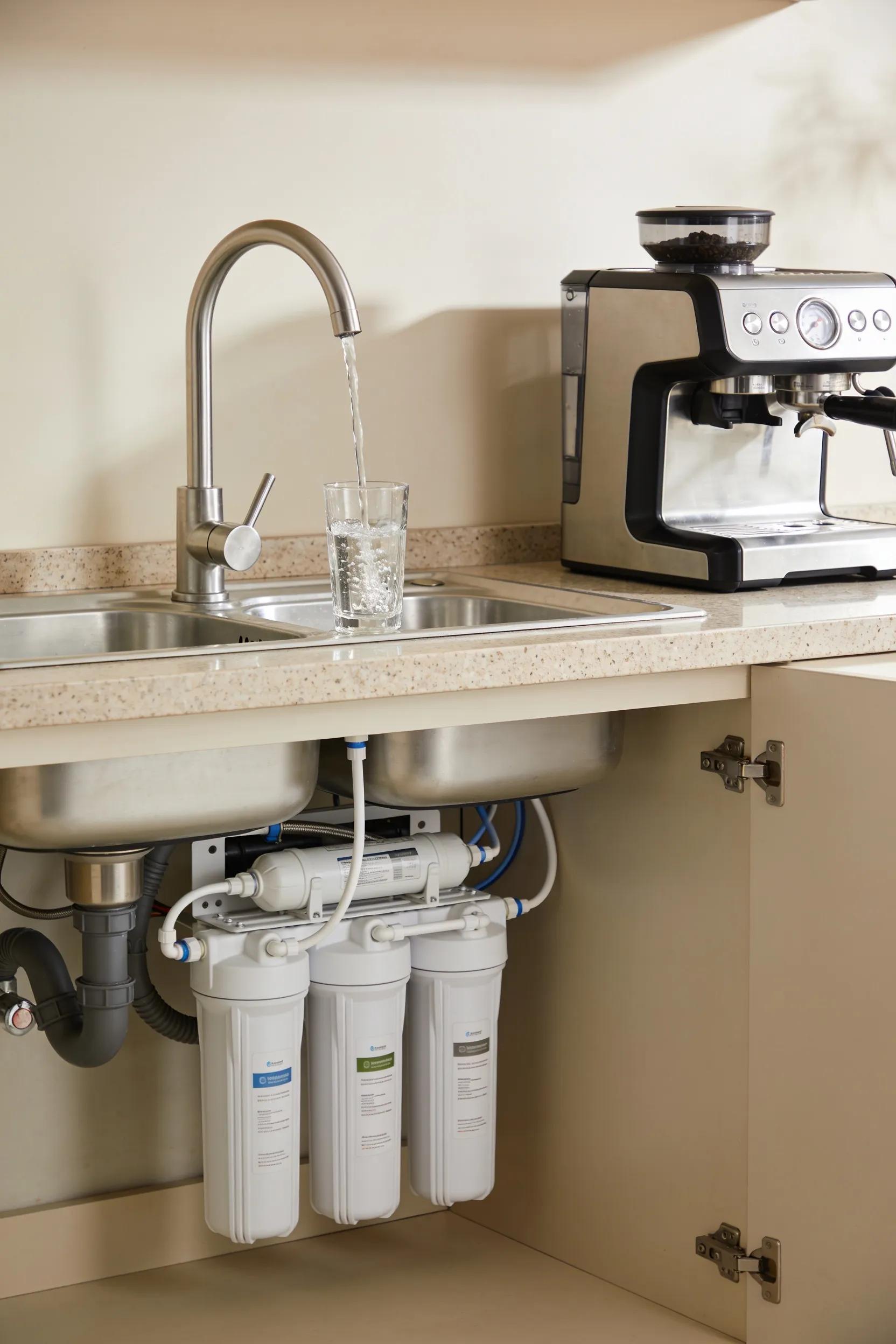
Proactive measures reduce the frequency of full descaling and support consistent coffee quality.
How Does Water Filtration Help Prevent Limescale?
Inline water filters or proprietary systems can reduce hardness minerals before they enter the boiler. By capturing calcium and magnesium ions, filtered water slows scale formation and extends descaling intervals.
What Daily Cleaning Practices Support Limescale Prevention?
Flushing the group head and steam wand after each use clears residual water, coffee oils, and milk deposits. Wiping the portafilter gasket and removing drip-tray overflow ensures no standing water remains to deposit minerals overnight.
How Does Regular Descaling Improve Energy Efficiency and Coffee Quality?
Consistent removal of mineral films restores heat transfer efficiency, reducing cycle times and energy consumption. Clean internal passages maintain optimal extraction pressure and temperature stability, delivering balanced flavors shot after shot.
Regular descaling and preventative care protect your investment in a high-quality espresso machine and maximize the performance of the grinders and accessories you choose from 1st-line.com. By integrating these maintenance rituals into your routine, you’ll enjoy a lifetime of flavorful, reliable espresso.