Month: October 2026

  • Espresso Grind Size in Microns: How Roast Level Affects Coffee Extraction

    Espresso Grind Size in Microns: How Roast Level Affects Coffee Extraction

    Espresso extraction depends on several variables, including grind size, coffee roast level, dose, water temperature, pressure, and extraction time. Among these variables, espresso grind size in microns is one of the most important factors influencing flavor, crema, body, and shot consistency. Understanding how grind size interacts with light, medium, and dark roasted coffee can help home baristas and professional coffee shops dial in espresso more efficiently.

    Although there is no single grind size that works for every coffee, measuring particle size in microns provides a useful starting point for understanding how coffee beans behave during extraction. Roast level changes the physical structure and solubility of coffee beans, which means the ideal espresso grind setting often varies depending on how the beans were roasted.

    What Is Espresso Grind Size in Microns?

    A micron, also called a micrometer (µm), is one-millionth of a meter. Coffee grinders produce a distribution of particle sizes rather than uniform particles, so an espresso grind cannot be described accurately by a single measurement alone.

    For example, a grind distribution might contain fine particles measuring 100–200 microns alongside larger particles measuring 400–600 microns. The relative proportions of these particles influence water flow and extraction.

    Three important concepts help explain espresso grind size:

    • Fine grind: Smaller particles create more surface area for water to contact, generally increasing extraction potential and restricting water flow.

    • Coarse grind: Larger particles offer less surface area relative to their volume, generally allowing water to flow more easily and reducing extraction potential.

    • Particle-size distribution: The range of particle sizes produced by the grinder affects consistency, resistance to water flow, and the balance of extracted flavors.

    For espresso, grind settings typically produce a distribution of particles across a broad range, often including particles below 200 microns and larger fragments extending beyond 400 microns. The exact distribution depends on the grinder, burr geometry, bean characteristics, and adjustment setting.

    It is important to distinguish the grinder’s adjustment setting from the actual particle size in microns. Two grinders set to the same nominal setting can produce very different results.

    Recommended Espresso Grind Size by Roast Level

    The best grind size for espresso depends on the coffee’s roast level, freshness, origin, processing method, and desired flavor profile. The following ranges are illustrative starting points for median particle size, not universal industry standards. Actual results depend heavily on the grinder and its particle-size distribution.

    Roast level

    Suggested median particle size

    Typical starting approach

    Light roast

    50-200 µm

    Start at 100-150 µm to improve extraction

    Light-medium roast

    200–325 µm

    Fine grind with careful flow adjustment

    Medium roast

    250–350 µm

    Begin with a conventional espresso grind

    Medium-dark roast

    275–375 µm

    Consider a slightly coarser setting

    Dark roast

    300–400 µm

    Start somewhat coarser and adjust to taste

    These ranges overlap intentionally. A grinder that produces a high proportion of particles smaller than 100 microns may behave differently from one producing fewer fines, even when both have a similar median particle size.

    1. Light Roast Espresso Grind Size: Approximately 50-200 Microns
    8 Best Light Roast Coffee: Top Picks for 2026 | Roast Love

    Light-roasted coffee generally retains more of the bean’s original density and has a less-developed porous structure than darker coffee. Its soluble compounds can be more difficult to extract, making grind size especially important.

    A finer grind increases the surface area exposed to hot water and generally slows the flow through the coffee puck. This can help extract sweetness and body while reducing the sharp, sour flavors associated with insufficient extraction.

    Recommended approach: Start with a median particle size around 100-150 microns, if your grinder and measurement method support that level of precision. Adjust toward finer settings if the espresso tastes sharply acidic, thin, or underdeveloped. If the shot becomes harsh, excessively bitter, or uneven, investigate channeling and extraction balance before simply grinding finer.

    Light-roast espresso may also benefit from a lower brew temperature, often around 90–93°C (194–199°F), depending on the coffee and machine

    2. Medium Roast Espresso Grind Size: Approximately 250–350 Microns
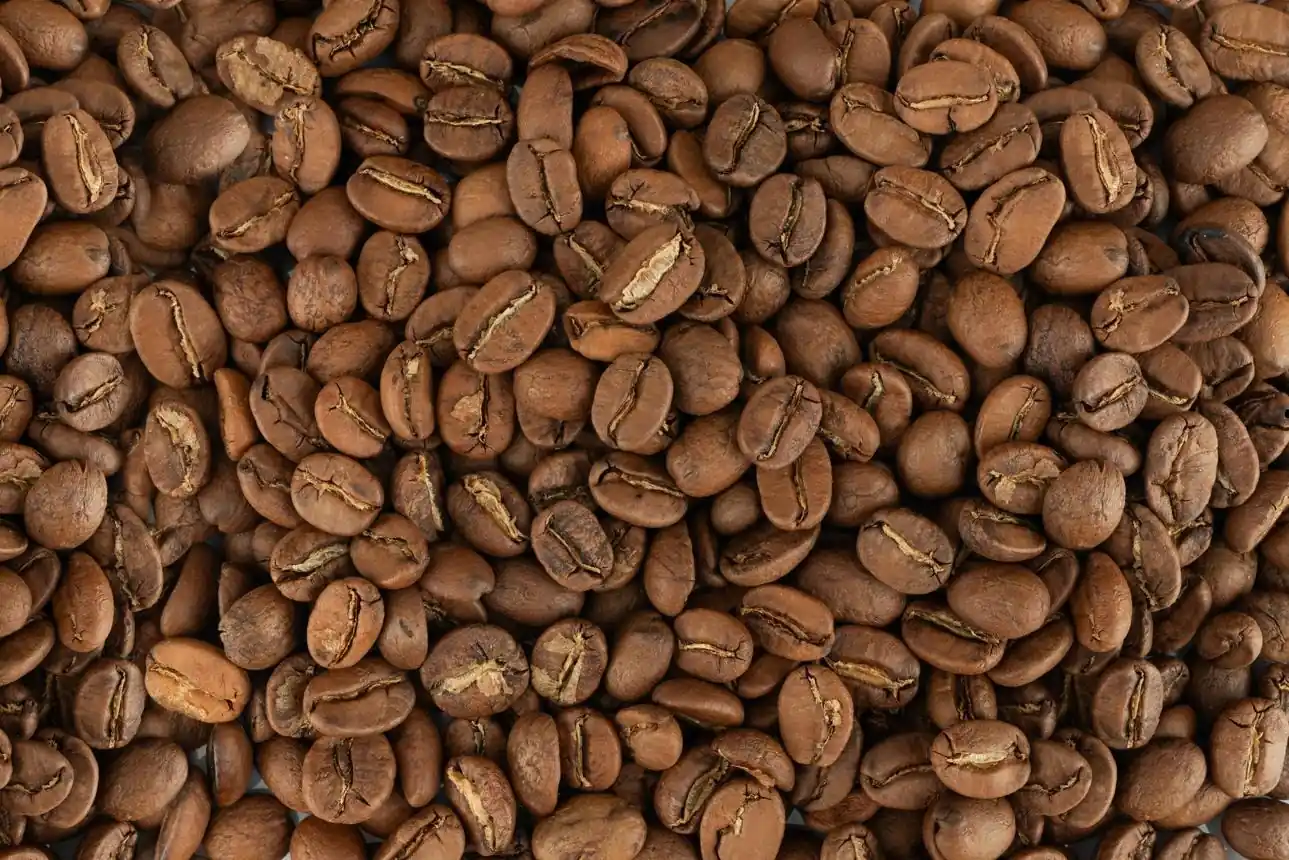
    Medium roast coffee beans with rich caramel-brown color

    Medium-roasted beans offer a balance between origin characteristics and roast-developed flavors. Caramel, chocolate, nuts, and moderate acidity are common flavor descriptions, although the actual profile varies by bean.

    Because medium roasts are typically easier to extract than light roasts, they often work well with a conventional espresso grind. A median particle size in the 250–350 micron range is a reasonable experimental starting point, provided the grinder produces a suitable distribution.

    Recommended approach: Begin near the middle of the proposed range and establish a consistent dose and beverage yield. For example, an 18-gram dose producing 36 grams of espresso is a useful starting recipe. Adjust the grind until the shot delivers balanced sweetness, acidity, and body.

    If the espresso tastes sour or watery, try grinding finer. If it tastes excessively bitter, dry, or astringent, try a slightly coarser setting or assess whether the shot is extracting unevenly.

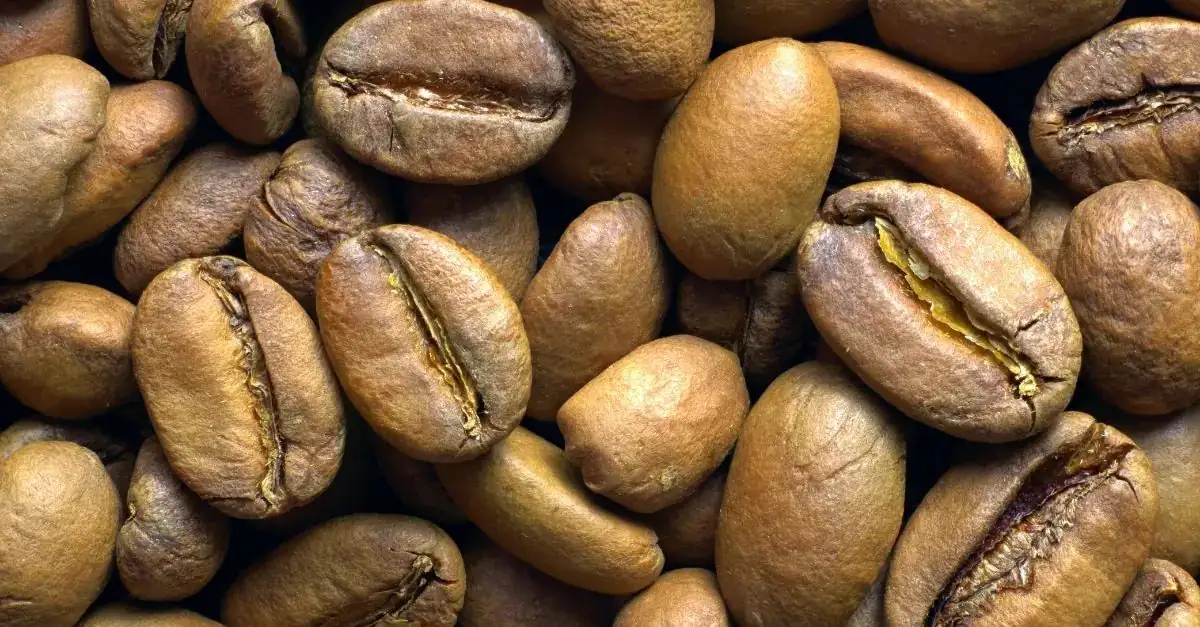
    3. Medium-Dark Roast Espresso: Approximately 275–375 Microns

    Medium dark roasted coffee bean texture background

    Medium-dark roasts generally develop more roast-driven flavors and become more porous and brittle as roasting progresses. These structural changes influence how the beans break apart in the grinder and how quickly water extracts soluble compounds.

    A somewhat coarser grind than the one used for a light roast can help prevent excessive resistance and overly intense roast-derived flavors. However, the correct adjustment depends on the specific beans and grinder.

    Recommended approach: Start around 275–375 microns and monitor shot time, beverage yield, and flavor. If the espresso flows too quickly and tastes sour or weak, move finer in small increments. If the flow is restricted and the result tastes harsh or excessively bitter, consider a coarser setting.

    Medium-dark espresso often works well at moderate brew temperatures, such as 90–94°C (194–201°F), depending on the machine and desired flavor profile.

    4. Dark Roast Espresso Grind Size: Approximately 300–400 Microns

    Dark roast coffee beans with glossy oiled surface

    Dark-roasted coffee is generally more porous, more brittle, and easier to extract than light-roasted coffee. It may also produce a different distribution of fines during grinding.

    Grinding dark roast coffee too finely can create excessive resistance to water flow, especially when the grinder produces substantial fines. The result may be an uneven extraction or an espresso with intense bitterness, smoky flavors, and a dry finish.

    Recommended approach: Start with a slightly coarser grind, perhaps around 300–400 microns median particle size, and adjust according to the result. A lower brew temperature, such as 88–92°C (190–198°F), can also help moderate harsh roast characteristics.

    Importantly, not every dark roast requires a coarse grind. A particular coffee may still need a finer setting or higher temperature to achieve suitable flow and flavor balance.

    How Grind Size in Microns Affects Espresso Extraction

    Espresso extraction and grind size are closely linked: grind size affects both how quickly water passes through the coffee puck and how efficiently soluble compounds move into the espresso. Smaller particles provide greater surface area relative to their volume, which can increase extraction. However, finer is not always better.

    The following table summarizes common grind-related symptoms and adjustments.

    Espresso result

    Possible cause

    Adjustment to try

    Sour, sharp, or underdeveloped

    Insufficient extraction

    Grind finer or increase brew temperature

    Thin, weak flavor

    Low extraction or unsuitable brew ratio

    Grind finer and evaluate beverage yield

    Excessively bitter or dry

    Excessive or uneven extraction

    Try a coarser grind or adjust the recipe

    Very slow or restricted flow

    Excessive puck resistance

    Grind coarser and check for channeling

    Fast, watery extraction

    Insufficient resistance or channeling

    Grind finer and improve puck preparation

    Inconsistent shots

    Variable dose, distribution, or grind

    Standardize preparation and grinder settings

    These symptoms are diagnostic clues, not definitive proof of a particular problem. For example, channeling can produce sour and bitter flavors in the same shot because some areas of the puck extract more than others.

    The proportion of very fine particles can significantly influence espresso extraction dynamics. This demonstrates why two grinders with similar median particle sizes may produce different results.

    How to Dial In Espresso for Different Roast Levels

    Rather than relying entirely on a micron measurement, use a repeatable dialing-in process.

    1. Choose a starting grind size. Begin with the recommended range for the roast level, treating it as an experimental guide.

    2. Keep the dose consistent. For example, use 18 grams of ground coffee in the same basket for every test.

    3. Set a target beverage yield. A 1:2 ratio, such as 18 grams of coffee producing 36 grams of espresso, is a useful baseline.

    4. Measure extraction time. Record the time needed to reach the target beverage weight. Approximately 25–35 seconds is a common starting window, not a strict requirement.

    5. Taste the espresso. Adjust the grind in small increments, changing other variables only when necessary.

    6. Record the results. Keep notes on roast level, grinder setting, dose, yield, extraction time, and flavor.

    This approach helps establish a repeatable recipe for each coffee. It also makes it easier to determine whether a change in grind size actually improves the espresso.

    Can You Measure Espresso Grind Size Accurately?

    Yes, but accurate measurement requires appropriate equipment and a clear understanding of what is being measured.

    Particle-size analyzers can use laser diffraction or image analysis to characterize the distribution of ground coffee. Sieves can also separate particles into size ranges, although very fine coffee particles can be difficult to measure consistently using ordinary sieving methods.

    Most home baristas and coffee shops do not need to measure every grind in microns. A capable espresso grinder, a precision scale, consistent puck preparation, and careful tasting are generally more practical.

    Micron measurements are most useful for research, grinder comparisons, and controlled experiments. When comparing measurements, make sure the same method is used and that the reported value represents the same statistic, such as median particle size rather than the smallest or largest particle.

    Frequently Asked Questions About Espresso Grind Size

    Is espresso grind size always below 400 microns?

    No. Espresso grounds contain a range of particle sizes, including fine particles and larger fragments. Some particles can exceed 400 microns even when the overall grind is appropriate for espresso.

    Should light-roasted coffee always be ground finer than dark-roasted coffee?

    Not always, but light roasts often benefit from finer grinding because they can be more difficult to extract. Dark roasts are generally more soluble and porous, so a somewhat coarser grind may work better. Bean characteristics and grinder design can change these tendencies.

    Does a finer grind always produce stronger espresso?

    Finer grinding can increase the concentration of dissolved coffee compounds under otherwise similar conditions. However, beverage strength also depends on dose, beverage yield, and extraction conditions. Excessively fine grinding can restrict flow and encourage uneven extraction.

    What is the best micron size for a double espresso?

    There is no universal best value. A median particle size around 250–350 microns can serve as an initial experimental range for many medium-roasted coffees, but the appropriate setting depends on the grinder, beans, basket, and recipe.

    Should I change my grinder setting when switching coffee beans?

    Usually, yes. Different roast levels, origins, processing methods, and freshness levels can affect flow and extraction. Re-dialing the grinder whenever you introduce a new coffee helps maintain consistent results.

    Conclusion

    Understanding espresso grind size in microns gives baristas a useful way to explore the relationship between particle size, roast level, and extraction. Light roasts often benefit from finer grinding, medium roasts typically offer flexibility, and darker roasts may perform better with a slightly coarser setting.

    The suggested ranges of 50–200 microns for light roasts, 250–350 microns for medium roasts, and 300–400 microns for dark roasts are starting points for experimentation, not fixed standards. The best espresso grind size is the one that produces balanced flavor, suitable flow, and repeatable extraction with your particular coffee and equipment.
  • Essential Espresso Machine Parts and Cleaning Tips: A Guide to Maintenance and Care

    Essential Espresso Machine Parts and Cleaning Tips: A Guide to Maintenance and Care

    Maintaining peak performance and flavor begins with understanding each component of your espresso machine and following a consistent cleaning routine tailored to those parts. Over time, coffee oils, mineral deposits, and worn seals degrade extraction quality and risk costly repairs. This guide explains the core espresso machine parts and offers step-by-step cleaning, descaling, replacement, and troubleshooting advice to preserve machine longevity and cup quality. You’ll learn about group heads, portafilters, shower screens, steam wands, water filters, and the most effective cleaning products—all while discovering how 1st-line.com’s expert support and parts catalog can streamline your maintenance plan. We begin with an overview of essential components, then explore cleaning frequencies, descaling techniques, part replacements, top products, and practical troubleshooting before outlining recommended schedules for home and commercial use.

    What Are the Essential Parts of an Espresso Machine You Need to Know?

    An espresso machine comprises several precision-engineered components whose interplay determines extraction consistency, steam performance, and overall reliability. Recognizing each part’s function and maintenance needs is the foundation for optimal coffee quality and machine longevity—insights that 1st-line.com supports through detailed guides and genuine replacement parts.

    Which Components Make Up the Espresso Machine Group Head?

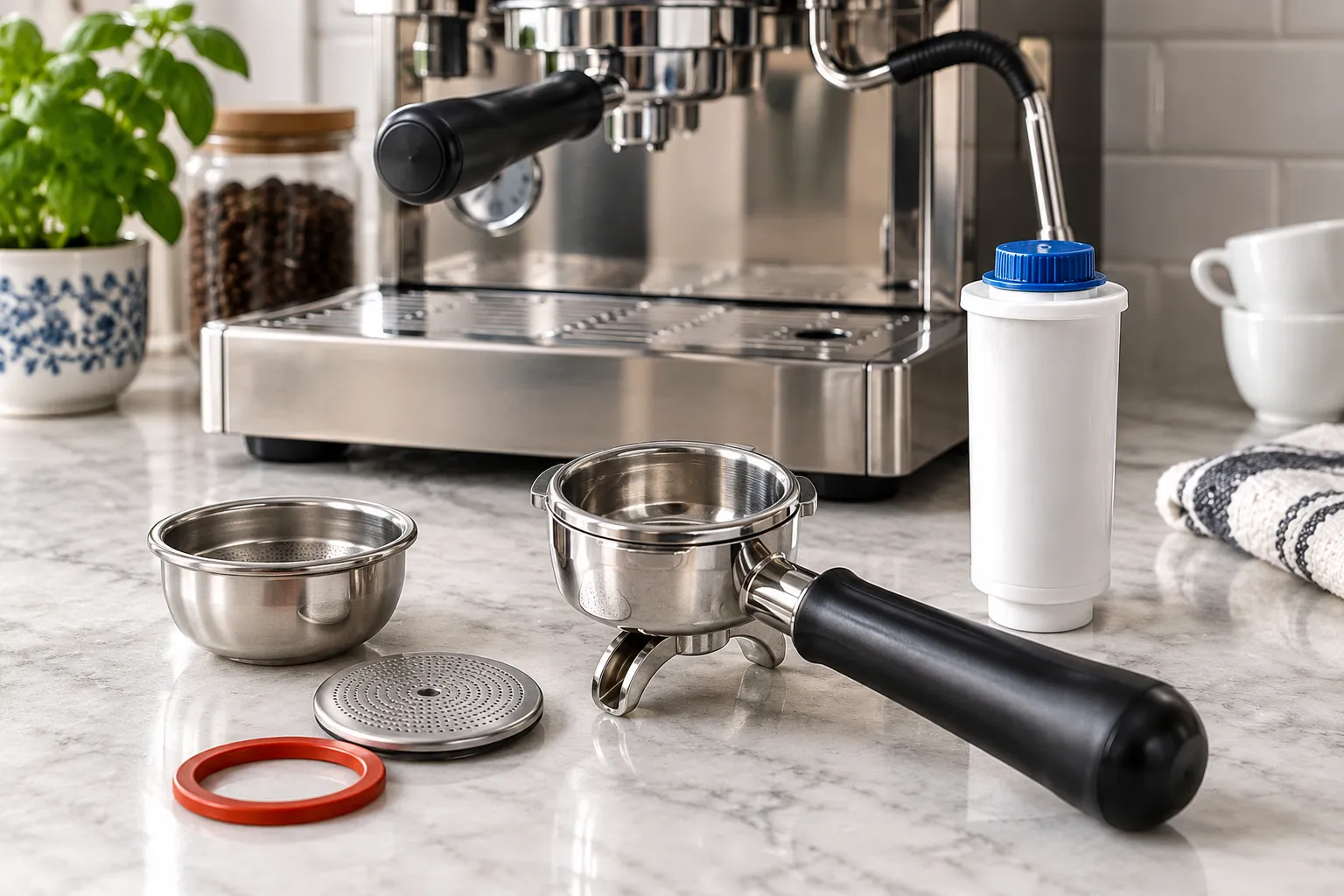
    The group head is the heart of extraction, delivering pressurized water through coffee grounds to produce espresso. It contains a shower screen that disperses water evenly, a group gasket that seals the portafilter, and internal channels that maintain temperature stability. Proper care of these sub-parts ensures balanced flow, consistent pressure, and minimal channeling during extraction.

    What Is the Role of the Portafilter and Filter Baskets?

    The portafilter holds ground coffee and channels brewed espresso into your cup. It secures filter baskets—either single, double, or blind baskets—for tamping and backflushing. Precise basket holes and gasket fit impact extraction uniformity. Regular soaking and brushing prevent oil buildup, preserve basket integrity, and maintain optimal flow rate.

    How Do Shower Screens and Group Gaskets Affect Espresso Quality?

    Shower screens distribute water across the puck, while group gaskets form a water-tight seal between portafilter and group head. When screens clog with oils or scale and gaskets harden, water flow becomes uneven or leaks occur. Replacing gaskets every 6–24 months at home (3-6 months commercially) and cleaning screens weekly safeguards extraction balance and prevents under- or over-extraction.

    Component

    Function

    Maintenance Interval

    Shower Screen

    Even water dispersion

    Water rinse daily; Clean weekly; replace 3-12 months

    Group Gasket

    Seals portafilter to group head

    Replace every 6–24 months; 3 months commercially

    Why Is the Steam Wand Important and How Does It Work?

    A steam wand injects pressurized steam to froth milk for lattes and cappuccinos. It relies on a small nozzle and one-way valve to purge condensate and maintain steam pressure. Milk residue inside the tip can clog vents and degrade steam quality, so daily purging and weekly deep soaking with a dedicated solution prevent blockages and ensure silky microfoam.

    How Do Water Softeners/Filters Contribute to Machine Longevity?

    Water softeners and filters reduce hardness minerals and impurities before they enter the boiler and group head, minimizing limescale buildup. Installing and replacing inline or cartridge softeners/filters according to water hardness and manufacturer guidance preserves pump efficiency and reduces the frequency of descaling. For machines with built-in softeners/filtration, 1st-line.com offers compatible cartridges to match various models.

    How Often and Why Should You Clean Your Espresso Machine?

    Routine backflushing removes coffee oils, descaling removes mineral deposits, and microbes that compromise flavor, hygiene, and machine reliability. Establishing daily, weekly, and periodic habits reduces downtime and repair costs by intercepting buildup before it impairs performance.

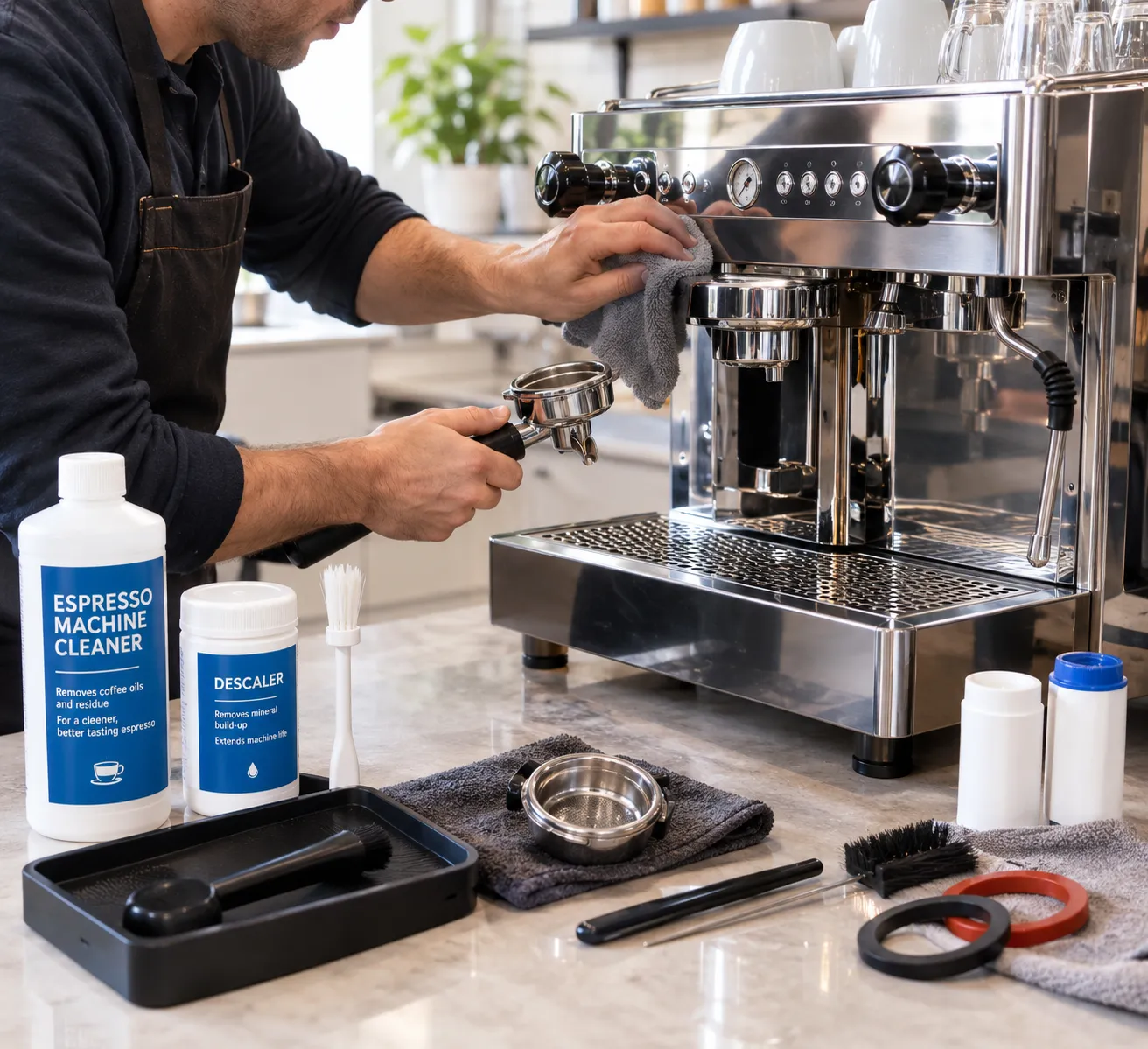
    What Is the Daily Espresso Machine Cleaning Routine?

    1. Purge steam wand before and after each use to expel milk residue.

    2. Rinse portafilter and filter basket under hot water from the espresso machine immediately after shots.

    3. Wipe group head gasket with a clean brush.

    4. Flush group head for 5–10 seconds after removing portafilter.

    5. Empty and rinse drip tray and grounds drawer.

    6. Remove reservoir, take out water treatment, wash with dish detergent, and rinse.

    How to Perform Weekly Deep Cleaning for Optimal Performance?

    • Soak portafilter, filter baskets, and blind basket in a backflushing detergent solution (e.g., Cafiza or Puly Caff) for 15–20 minutes.

    • If held by a middle screw, remove and clean shower screen with a small brush and warm water.

    • Wipe group head interior (gasket and metal) with a backflush detergent using blind basket.

    • Soak steam wand tip in a dedicated steam-wand cleaner (e.g., Urnex Rinza) to dissolve protein.

    • Replace or rejuvenate water filter/softener cartridge if applicable.

    When and How Should You Backflush Your Espresso Machine?

    After no more than 50 extractions, you should backflush your espresso machine,

    1. Insert a blind filter basket into the portafilter.

    2. Dose the detergent tablet or powder.

    3. Lock portafilter into group head and run 10-second cycles, pausing between each for drain-down.

    4. Repeat cycle four to six times, then repeat with plain water until no suds appear. Rinse grouphead thoroughly. Make an espresso to absorb any residue and discard.

    Home machines benefit from detergent backflushing; commercial units require daily detergent backflushing to sustain consistent group head cleanliness.

    What Are the Signs Your Machine Needs Descaling?

    Descaling removes mineral scale that insulates heating elements and constricts water flow. Warning signs include:

    • Sluggish water flow or low steam pressure.

    • Unusual noises during heating or brewing (crackling or pinging from boiler)

    • White crusty deposits around group head, boiler fittings, or steam wand.

    • Altered coffee taste, often metallic or sour.

    How Often Should You Replace Cleaning Products Like Cafiza and Puly Caff?

    Cleaning agents lose effectiveness over time once opened or exposed to moisture. Replace:

    • Backflush detergents (Cafiza/Urnex) every 6–12 months.

    • Steam-wand cleaners (Urnex Rinza) every 12 months.

    • Descaling solutions according to manufacturer date stamps (typically 1–2 years).

    How to Descale Your Espresso Machine: Step-by-Step Guide and Best Products

    What Causes Limescale Buildup and How Does It Affect Your Machine?

    Hard water rich in calcium and magnesium precipitates minerals under heat, forming adherent scale. Scale reduces thermal conductivity, forces heaters to overwork, and restricts water flow, leading to under-extracted, sour espresso and potential pump strain.

    Which Descaling Solutions Are Most Effective?

    Solution

    Composition

    Primary Use

    Why It Matters

    Puly Cleaner Descaler

    Food-safe blend

    Descaling

    Fast scale dissolution

    Urnex Dezcal

    Sulfamic acid blend

    Boiler descaling

    Fast scale dissolution. Most corrosive to internal components

    Citric Acid Mix

    Food-grade citric acid

    Home descaling

    Readily available and safe. May not be strong enough in some cases

    What Is the Recommended Descaling Frequency Based on Water Hardness?

    • Soft water (<50 ppm): Every 3–6 months. Usually too soft for most commercial grade espresso machines.

    • Moderate hard water (50–150 ppm): Every 1–3 months.

    • Hard water (>150 ppm): Monthly or consider a water filter/softener replacement to reduce scale rate.

    Without treatment of moderate to hard water, it is recommended to descale the espresso machine every 3 months. Water treatment is preferred to avoid descale damage to the machine.

    How to Safely Perform Descaling Without Damaging Your Machine?

    1. Mix descaling solution per machine manufacturer and descale maker instructions. Please note that many times these instructions will not be the same.

    2. Run half the solution through brew and steam circuits into a container.

    3. Let boiler sit for 15–30 minutes to saturate scale.

    4. Complete solution cycle, then flush with fresh water until no acidity remains.

    5. Purge steam wand by running steam for 30 seconds.

    6. Follow 1st-line’s detailed descaling instructions.

    What Are the Benefits of Regular Descaling for Espresso Quality?

    • Restores optimal water flow for balanced extraction.

    • Reduces energy consumption by improving heat exchange.

    • Prolongs pump and heater lifespan by minimizing scale buildup.

    • Enhances flavor clarity, eliminating metallic off-notes from scale contamination.

    What Are the Downsides of Regular Descaling?

    • Clears scale from seams and joints which turns into a leak.

    • Strips metal from internal parts.

    • Heavier wear on internal seals.

    • Weakens boiler’s structural integrity and welds.

    • Dissolved limescale can cause blockages to internal pathways and create damage.

    How to Replace and Maintain Key Espresso Machine Parts for Longevity

    When Should You Replace the Group Head Gasket?

    Group gaskets lose elasticity from heat and pressure cycling. Replace when you notice:

    • Water seepage around portafilter during extraction.

    • Portafilter creep, where it is pushed out by pressure.

    • Difficulty engaging or releasing the portafilter.

    These signs typically appear after 6–24 months of home use or 3 months commercially.

    How to Replace a Group Gasket: Step-by-Step for Popular Brands

    1. Remove portafilter and power off machine.

    2. Pry out the old gasket using a gasket pick or small flat tool.

    3. Clean the gasket bore with a soft brush and warm water and backflush detergent.

    4. Insert the new gasket evenly into the groove with letters facing into grouphead.

    5. Re-engage portafilter and run a water cycle to seat the gasket.

    Many brands like La Marzocco and Breville share similar procedures; replacement gaskets from 1st-line.com include model-specific gaskets and tools.

    How to Clean and Replace the Shower Screen Properly?

    • Unscrew group head dispersion screw. If not screw, pry out with flathead screwdriver, which will damage the shower screen.

    • Scrub screen with a small brush and backflush detergent solution.

    • Inspect for corrosion; replace if pitted or warped.

    • Do not reassemble with a mild thread sealant.

    What Are the Best Practices for Cleaning and Soaking Portafilters and Baskets?

    Soak baskets and portafilter bodies (not plastic, metal, or wood handles) separately in a hot detergent solution for at least 15 minutes, then:

    • Rinse under high-pressure water.

    • Dry completely before reassembly to avoid corrosion.

    • Ensure that the handle bolt (between the handle and body) is not in the solution to avoid rust.

    How to Maintain and Unclog the Steam Wand Effectively?

    Purge immediately before and after each use and:

    1. Soak detachable tips in a steam-wand cleaning solution for 10–15 minutes.

    2. Use a fine wire, paper clip end, or dedicated wand brush to clear tip holes.

    3. Rinse and purge again to ensure no residual chemicals remain.

    When and How to Replace Your Direct Plumbed Espresso Machine Water Filter?

    Change inline or cartridge filters every 4-6 months or per water hardness:

    • Turn off water supply and relieve pressure.

    • Swap filter cartridge and purge system until water runs clear.

    • Monitor TDS (total dissolved solids), chlorimides and chlorides, to gauge filter efficacy.

    What Are the Best Espresso Machine Cleaning Products and How to Use Them?

    How Do Cafiza and Urnex Compare for Backflushing and Soaking?

    Brand

    Application

    Composition

    Advantage

    Urnex Cafiza

    Backflush

    Alkaline detergent

    Rapid oil removal

    Puly Cleaner Descaler Powder

    Descaling

    Food-safe acidic blend

    Effective scale removal; gentle on seals

    Puly Caff

    Backflush

    Phosphate-free detergent

    Daily cleaning

    What Cleaning Powders, Tablets, and Solutions Are Recommended?

    • Puly Caff Backflushing Detergent for soaking baskets and group heads.

    • Dusty Caff Backflushing Detergent for soaking baskets and group heads.

    • Puly Cleaner Powder for descaling.

    • Cafiza Espresso Machine Cleaning Powder for soaking baskets and group heads.

    • Puly Milk Cleaner for protein residue removal from wands.

    • Urnex Rinza Steam Wand Cleaner for protein residue removal from wands.

    How to Choose the Right Blind Filter Basket for Effective Backflushing?

    Blind baskets seal the group head to redirect water flow through internal channels. Select one matching portafilter brand and diameter. A snug fit prevents detergent leakage and ensures full circuit cleaning. However, the portafilter wiggle with a blind filter and detergent can clean the gasket.

    What Are Safe and Effective Steam Wand Cleaning Solutions?

    Steam wands benefit from plant-based, non-caustic cleaners like Puly Milk Cleaner that dissolve milk solids without attacking rubber seals or paint finishes. Avoid acidic mixtures that can damage internal valves.

    Where to Buy High-Quality Replacement Parts and Cleaning Supplies?

    For genuine group gaskets, shower screens, portafilter baskets, and industry-trusted cleaners, 1st-line.com offers some model-specific kits, free online technical support pages, and fast turnaround to streamline maintenance at home or in commercial settings.

    How to Troubleshoot Common Espresso Machine Issues Related to Parts and Cleaning?

    Why Is My Espresso Machine Leaking from the Group Head?

    Leaking often indicates a worn group gasket, an overfilled portafilter, or debris on the gasket surface. Inspect and replace gaskets, ensure proper portafilter insertion, and clean debris from the gasket groove.

    How to Diagnose and Fix a Clogged Portafilter Basket?

    A clogged portafilter basket causes uneven flow and channeling. Remove and soak the basket in a backflush detergent, then carefully clear each hole with a fine wire or needle (may break or disrupt hole size). Rinse thoroughly before reinstalling to restore uniform water distribution.

    What to Do When Your Steam Wand Produces No Steam?

    No steam usually stems from a blocked tip or low boiler pressure. Purge and soak the wand tip in a steam-wand cleaner, clear orifices with a dedicated needle or paper clip, then verify boiler pressure is within the manufacturer-specified range.

    How to Improve Poor Espresso Extraction Through Maintenance?

    Under-extraction can result from scale buildup, oil-clogged screens, or worn gaskets. Follow a combined regimen of descaling (based on water hardness), backflushing, and part replacement—focusing on group head components—to restore consistent pressure and temperature for balanced flavor.

    When to Seek Professional Repair vs. DIY Maintenance?

    DIY covers routine cleaning, gasket and screen replacement, backflushing, and descaling. Professional service is advisable for pump replacements, electronic faults, or boiler repairs beyond user-level disassembly.

    What Are the Recommended Maintenance Schedules for Home and Commercial Espresso Machines?

    What Daily, Weekly, and Monthly Tasks Should Home Baristas Follow?

    Interval

    Task

    Purpose

    Daily

    Purge steam wand; flush group head after every shot

    Remove milk and coffee oils

    Weekly

    Backflush after every 50 shots with detergent; soak baskets; Recharge in tank water softener

    Clean internal channels and portafilters. Reduce limescale buildup.

    Monthly

    Recharge in line water softener or change cartridge (up to 6 months)

    Reduce limescale build up; maintain water quality

    How Do Commercial Cleaning Schedules Differ from Home Use?

    Commercial units handle higher volumes and require:

    • Daily detergent backflush to prevent heavy oil buildup (usually every 50 shots).

    • Bi-weekly steam wand deep clean to manage constant milk usage.

    • Descaling based on water hardness to maintain uptime.

    How Often Should Group Gaskets and Shower Screens Be Replaced Commercially?

    In high-traffic settings, replace:

    • Group gaskets every 2–3 months.

    • Shower screens every 6 months or sooner if pitting appears.

    What Preventative Maintenance Tips Extend Machine Lifespan?

    • Use filtered/softened water to reduce scale rate.

    • Maintain logs of cleaning and part replacements.

    • Calibrate brew pressure and temperature periodically.

    • Inspect hoses and fittings for signs of wear or leakage.

    How to Track and Log Your Espresso Machine Maintenance?

    Keep a simple maintenance journal—digital or printed—with dates for:

    • Cleaning routines (daily, weekly).

    • Backflush and descaling cycles.

    • Part replacements with serial numbers.

    Proper maintenance rhythms and part care form the backbone of dependable espresso performance. By following the routines, using the right products, and replacing parts at recommended intervals, home baristas and commercial operators alike can preserve machine health and coffee quality for years to come.

    Maintaining an espresso machine is both a technical art and a preventative practice that ensures flavor fidelity and equipment longevity. With clear understanding of each component and disciplined cleaning routines, you’ll avoid common pitfalls of scale, oil buildup, and seal degradation. Embrace these guidelines, leverage model-specific kits and cleaning supplies from 1st-line.com, and enjoy reliable, barista-quality espresso at home or in any professional setting. Proper care today translates to fewer repairs, consistent extraction, and a more rewarding coffee experience every day.

  • How to Effectively Descale Your Espresso Machine: The Ultimate Guide to Maintenance and Performance

    How to Effectively Descale Your Espresso Machine: The Ultimate Guide to Maintenance and Performance

    Warning: This article does not cover chlorides nor chloramines that can damage espresso machine components.

    Ensuring every shot of espresso delivers its full flavor depends on keeping your machine free of mineral deposits. Unattended limescale can reduce heating efficiency by up to 50 percent, strain the pump, and alter brew temperature. In this comprehensive guide to how to descale espresso machines, you’ll discover why descaling is non-negotiable, how often to perform it, the best solutions to use, and step-by-step methods for every machine type. We’ll also troubleshoot common problems and share preventative maintenance strategies—all backed by expert insights and supported by the high-quality machines and descaling products available at 1st-line.com.

    This article covers:

    • Why descaling preserves flavor, performance, and lifespan

    • Optimal descaling intervals by water hardness and machine type

    • Choosing between commercial solutions and natural alternatives

    • A detailed, featured-snippet-ready descaling process

    • Machine-specific protocols for semi-automatic, super-automatic, and heat-exchange models

    • Troubleshooting stuck descale lights, flow issues, and post-descale taste flaws

    • Daily and long-term tactics to prevent scale buildup

    Why Is Descaling Crucial for Your Espresso Machine?

    Descaling, for those who don’t used softened water, is the process of removing calcium and magnesium deposits that form when hard water is heated inside boilers and piping. This maintenance step restores optimal thermal conductivity, prevents blockages, and maintains consistent extraction pressure. For example, a home barista who neglects descaling may notice bitter, under-extracted espresso and erratic pump noise. Regular descaling safeguards flavor profiles and extends machine lifespan while reducing repair costs. Descaling too often can damage internal metals and gaskets, too.

    What Causes Limescale Buildup in Espresso Machines?

    Limescale forms when dissolved calcium and magnesium ions precipitate out of hard water and accumulate on hot surfaces. Repeated heating cycles in the boiler and group head encourage crystal formation, creating insulating layers that hinder heat transfer. Over time, scale constricts water channels and increases boiler pressure requirements.

    How Does Limescale Affect Coffee Quality and Machine Lifespan?

    Limescale buildup disrupts heat exchange and water flow, causing temperature fluctuations that extract coffee unevenly. This leads to sour or bitter notes and weak crema. Mechanically, scale increases stress on the pump and boiler seals, accelerating wear and risking component failure. Effective descaling reverses these issues and preserves performance.

    What Are the Signs That Your Espresso Machine Needs Descaling?

    When your machine exhibits reduced steam power, slower extraction, or a burnt-metal aroma, hard deposits are likely present. Trigger warning signs include:

    1. Erratic Brew Temperature – Water fails to reach optimal 90 – 94 °C

    2. Weak Steam Output – Steam wand pressure drops and takes longer to build

    3. Scale Flakes in Cup – Visible mineral particles in water or espresso

    4. Noise – Popping noise when machine is warming up indicates scale formation on the heating element.

    Each of these symptoms underlines the need for a descaling cycle, restoring your machine’s reliability and flavor consistency.

    How Often Should You Descale Your Espresso Machine?

    The ideal descaling frequency balances water hardness, usage intensity, and machine complexity. Skipping intervals invites heavier scale formation and costly repairs, while over-descaling can stress components. The following table does not indicate usage – meaning how much water passes through the machine.

    Water Hardness (After Any Treatment)

    Approximate Descale Interval

    Rationale

    Soft (0 – 60 ppm)

    Every 6-24 months

    Low mineral load allows extended intervals. Too soft water may not allow machine to operate properly.

    Moderate (61 – 120 ppm)

    Every 4-18 months

    Consistent buildup in domestic use. Too soft water may not allow machine to operate properly.

    Hard (121 – 180 ppm)

    Every 2–12 months

    Rapid scale deposition shortens safe interval

    Very Hard (181 – 250 ppm)

    Every 1–6 months

    High mineral content accelerates scale formation

    Extremely Hard (251+ ppm)

    Monthly or more often

    Very high mineral content necessitates frequent descaling

    This table illustrates common recommendations. Adjust intervals if your machine’s descale indicator or your water test results differ, ensuring reliable performance. Water hardness can change over time. Therefore, testing water weekly or monthly is essential.

    How Does Water Hardness Influence Descaling Frequency?

    Hard water contains higher concentrations of calcium and magnesium, which accelerate scale deposition. Testing with strip kits helps you customize descaling intervals and avoid unnecessary cycles. As hardness rises, deposits form faster, so machines in hard-water regions demand more frequent maintenance. Test strips may not always provide detailed ppm counts.

    What Is the Recommended Descaling Schedule for Different Machine Types?

    Semi-automatic and manual lever machines benefit from monthly descaling under heavy use, while super-automatic models often include programmed cycles that you activate every 1–2 months. Commercial or heat-exchange systems in cafes may require weekly or monthly descaling during peak operations to prevent downtime.

    Do Espresso Machines Have Descale Indicator Lights?

    Many modern machines incorporate sensor-based descale alerts that monitor flow rate and pressure. When limescale restricts channels, the system triggers a warning light. Responding promptly to these indicators prevents scale from accumulating beyond manageable levels and safeguards internal components.

    What Is the Best Descaling Solution for Espresso Machines?

    Choosing the correct descaler dissolves scale without harming seals, gaskets, or metal surfaces. The right formula enhances cleaning action and protects machine internals.

    Why Are Commercial Descalers Recommended Over DIY Alternatives?

    Commercial formulations blend acids with corrosion inhibitors and surfactants to dissolve scale safely. They provide consistent pH control and rinse totally, avoiding residue or lingering flavors. By contrast, home remedies lack stabilizers and can weaken rubber parts or leave organic residues that compromise coffee taste and machine warranty.

    What Are the Active Ingredients in Effective Descaling Solutions?

    Effective descalers rely on food-grade acids that dissolve scale while preserving metal and polymer components.

    • Citric Acid: Chelates calcium carbonate into soluble complexes

    • Lactic Acid: Penetrates dense scale layers for thorough removal

    • Sulfamic Acid: Rapidly dissolves stubborn deposits without excessive foaming

    Ingredient Mechanism Benefit

    Ingredient

    Mechanism

    Benefit

    Citric Acid

    Chelation of calcium carbonate into soluble complexes

    Soft-rinse with minimal odor

    Lactic Acid

    Penetration of dense scale layers for thorough removal

    Uniform cleaning without metal corrosion

    Sulfamic Acid

    Rapid dissolution of stubborn deposits without excessive foaming

    Effective on heavy buildup

    Can You Use Vinegar or Natural Alternatives to Descale?

    Vinegar (acetic acid) can strip light scale, but its low acidity requires prolonged contact and risks rubber seal degradation. Citric acid powder from the supermarket provides better results than plain vinegar but may still void manufacturer warranties.

    Method Issue Addressed Limitations

    Method

    Issue Addressed

    Limitations

    White Vinegar

    Mild scale removal

    Lingering aroma; seal damage risk

    Citric Acid Powder

    Improved descaling

    May leave fine residue; warranty concerns

    Commercial Descaler

    Complete scale dissolution

    Engineered to protect gaskets and finishes

    Although natural alternatives offer cost savings, they introduce trade-offs in safety, machine compatibility, and taste neutrality.

    What Are the Environmental Benefits of Eco-Friendly Descalers?

    Biodegradable formulations reduce wastewater impact and eliminate phosphates and harsh sulfates. Eco-friendly descalers maintain cleaning performance while supporting sustainability goals in commercial and home settings.

    How to Descale Your Espresso Machine: Step-by-Step Process

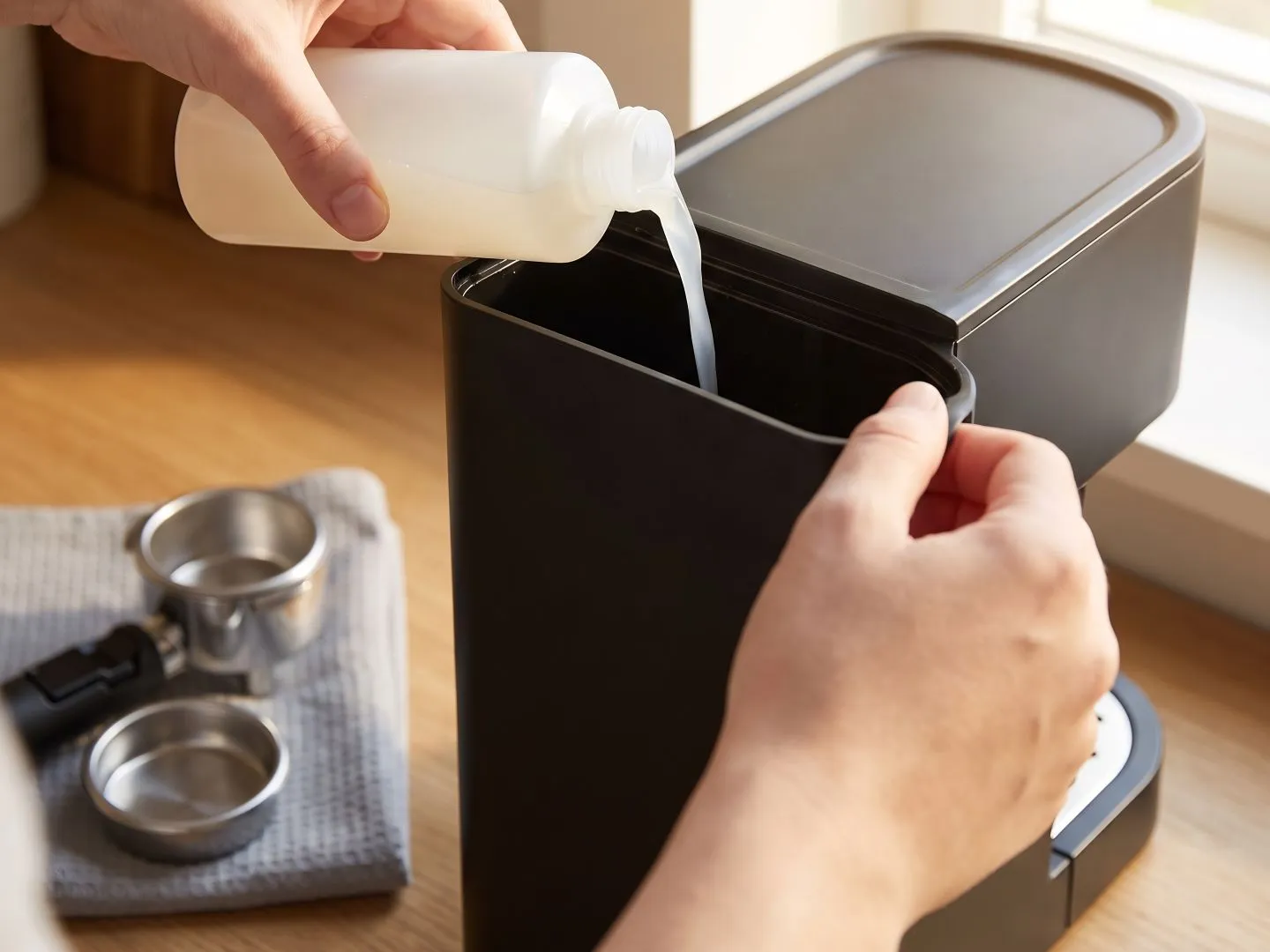
    Pouring a descaling solution into the water tank of an espresso machine

    A precise sequence of preparation, application, and rinsing ensures complete scale removal without damaging internal parts. Follow these steps for a featured-snippet-ready descaling cycle.

    What Preparations Are Needed Before Descaling?

    Begin by draining the water tank, removing any inline filter cartridges, and emptying the drip tray. Ensure the portafilter holder and steam wand are clear of residual water or milk. This prevents contamination of the descaling solution and protects your drain from solid deposits.

    How Do You Mix and Apply the Descaling Solution?

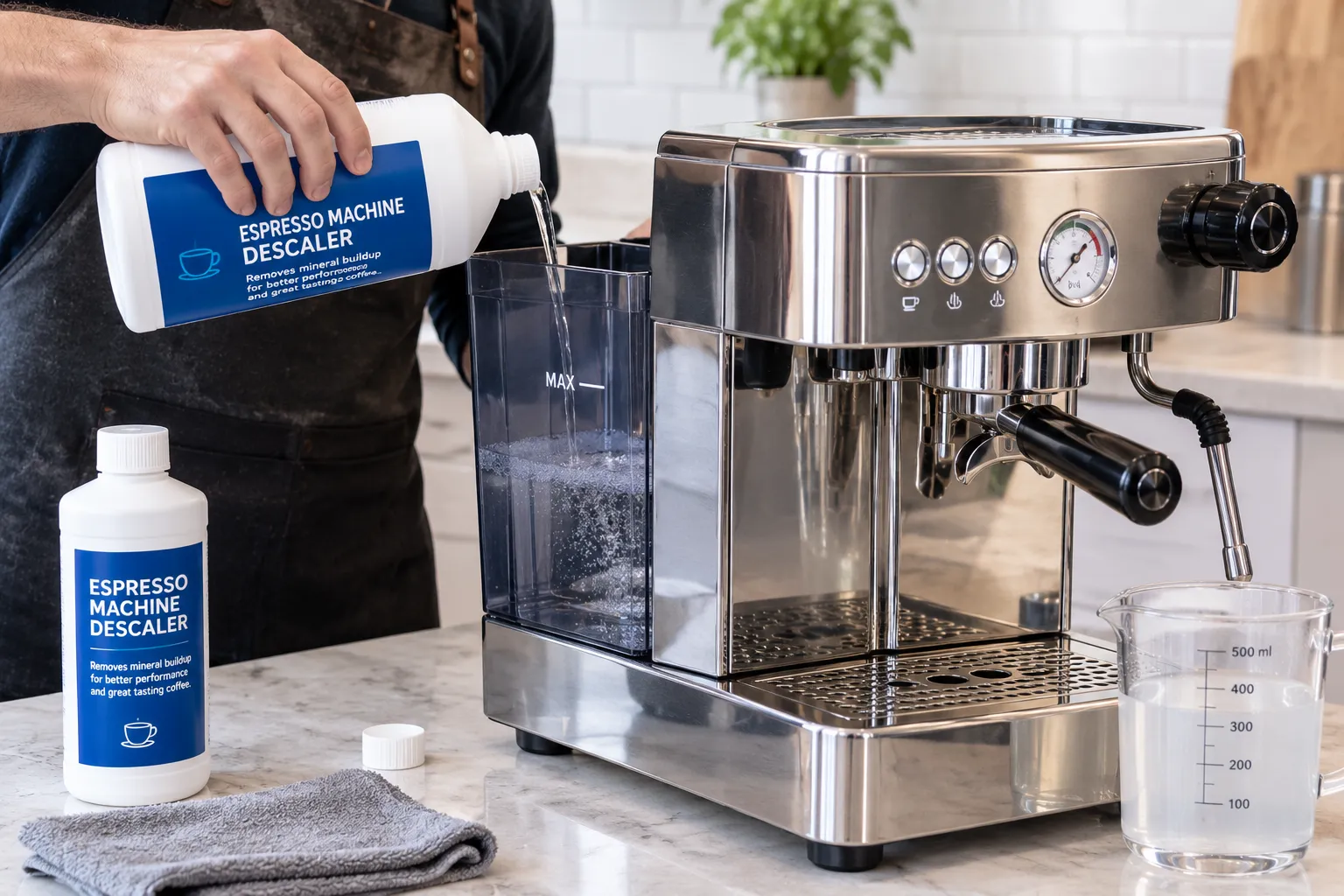
    Measure the recommended descaler volume and mix with warm water in the reservoir, following manufacturer guidelines. A typical ratio is one tablet or 30 ml of liquid solution per liter of water. Pour the mixture into the machine’s tank and secure the lid.

    What Are the Key Steps in Running the Descaling Cycle?

    1. Activate the descaling program or manually run water through the brew head until the tank is half empty.

    2. Flush the steam or water wand by opening it intermittently to allow solution into the boiler.

    3. Pause the cycle for 10–15 minutes to let acids penetrate scale layers.

    4. Complete the descaling run until the tank is empty.

    These actions remove deposits from all water-contacting passages and ensure internal surfaces are treated. Review the detailed instructions for each machine type.

    How Do You Rinse and Finish the Descaling Process?

    Remove and thoroughly rinse the water reservoir. Refill the water tank with fresh water and repeat the brew-head and steam-wand rinse cycle at least twice. This thorough flushing removes any acid residue, preserving coffee flavor and protecting seals. After final rinse, wipe external surfaces and reset your machine’s descaling indicator.

    How Do You Descale Different Types of Espresso Machines?

    Each machine architecture requires tailored handling to avoid damage and maximize scale removal.

    What Is the Best Descaling Method for Semi-Automatic Machines?

    Semi-automatic models need descaling solution run through the group head only, with manual soaking in removable boiler units if accessible. Use the procedure above but monitor water flow manually and adjust pause intervals to ensure the group head channels clear completely.

    How to Descale Super-Automatic Espresso Machines Safely?

    Super-automatic machines incorporate automatic rinsing programs. Engage the built-in descaling cycle via the control panel, ensuring you use the manufacturer-approved solution. Bypass the grinder by removing beans to avoid contamination, and follow on-screen prompts for steam-wand and milk-circuit treatment.

    What Are the Steps for Descaling Heat Exchange Espresso Machines?

    Heat exchange boilers demand gradual acid exposure to prevent thermal shock. Start with lukewarm solution, run partial cycles, and allow the machine to rest with the solution in place before completing the process. After descaling, perform additional back-flush steps with a blind portafilter to clear the group-head loop thoroughly with descaling solution.

    What Are Common Descaling Problems and How Can You Troubleshoot Them?

    Even well-executed descaling cycles can encounter issues that require targeted fixes.

    Why Does the Descale Light Stay On After Descaling?

    If the indicator remains lit, the machine’s scale sensor may detect residual deposits or the counter wasn’t reset. Run an extra rinse cycle and manually reset the maintenance counter per your machine’s instructions to clear the alert.

    What to Do If the Descaling Solution Does Not Flow Properly?

    Restricted flow often indicates severe buildup or a clogged line. Reduce solution viscosity by adding warm water, then run short cycles and increase pause intervals. If flow remains poor, consult a technician for internal cleaning or filter replacement.

    How to Fix Poor Coffee Taste After Descaling?

    Acid residue can linger and affect flavor. Perform at least two full water-only flush cycles, brew several blank shots, and purge the steam/water wand thoroughly until no sour aroma remains. Re-prime the boiler by running a short brew-head cycle before brewing espresso.

    How Can You Prevent Limescale Buildup and Extend Machine Lifespan?

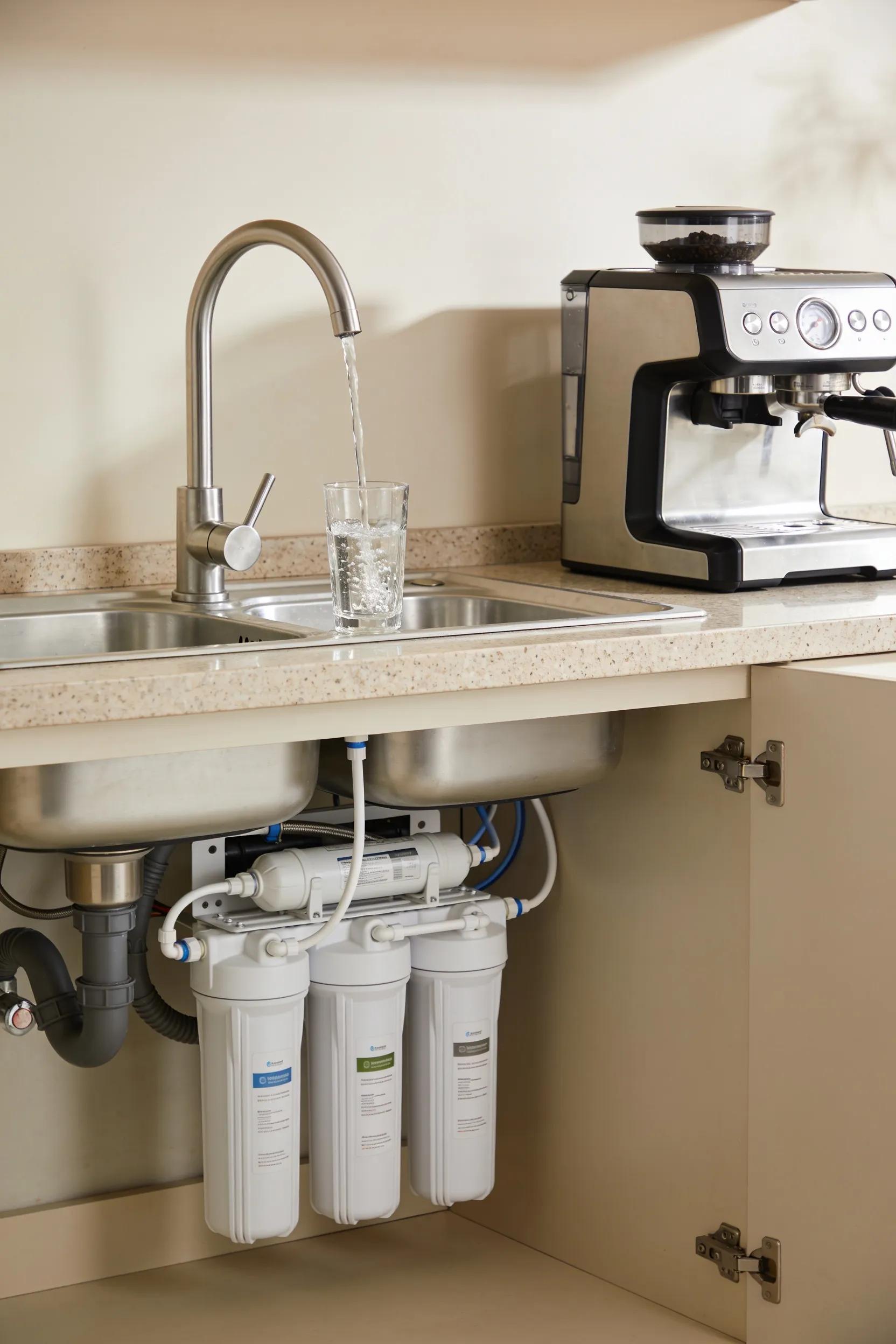
    Water filtration system under a kitchen sink with filtered water coming out of the faucet and an espresso machine on the counter top

    Proactive measures reduce the frequency of full descaling and support consistent coffee quality.

    How Does Water Filtration Help Prevent Limescale?

    Inline water filters or proprietary systems can reduce hardness minerals before they enter the boiler. By capturing calcium and magnesium ions, filtered water slows scale formation and extends descaling intervals.

    What Daily Cleaning Practices Support Limescale Prevention?

    Flushing the group head and steam wand after each use clears residual water, coffee oils, and milk deposits. Wiping the portafilter gasket and removing drip-tray overflow ensures no standing water remains to deposit minerals overnight.

    How Does Regular Descaling Improve Energy Efficiency and Coffee Quality?

    Consistent removal of mineral films restores heat transfer efficiency, reducing cycle times and energy consumption. Clean internal passages maintain optimal extraction pressure and temperature stability, delivering balanced flavors shot after shot.

    Regular descaling and preventative care protect your investment in a high-quality espresso machine and maximize the performance of the grinders and accessories you choose from 1st-line.com. By integrating these maintenance rituals into your routine, you’ll enjoy a lifetime of flavorful, reliable espresso.

  • Best Compact Espresso Machines for Small Spaces: Expert Guide to Choosing the Perfect Small Espresso Machine

    Best Compact Espresso Machines for Small Spaces: Expert Guide to Choosing the Perfect Small Espresso Machine

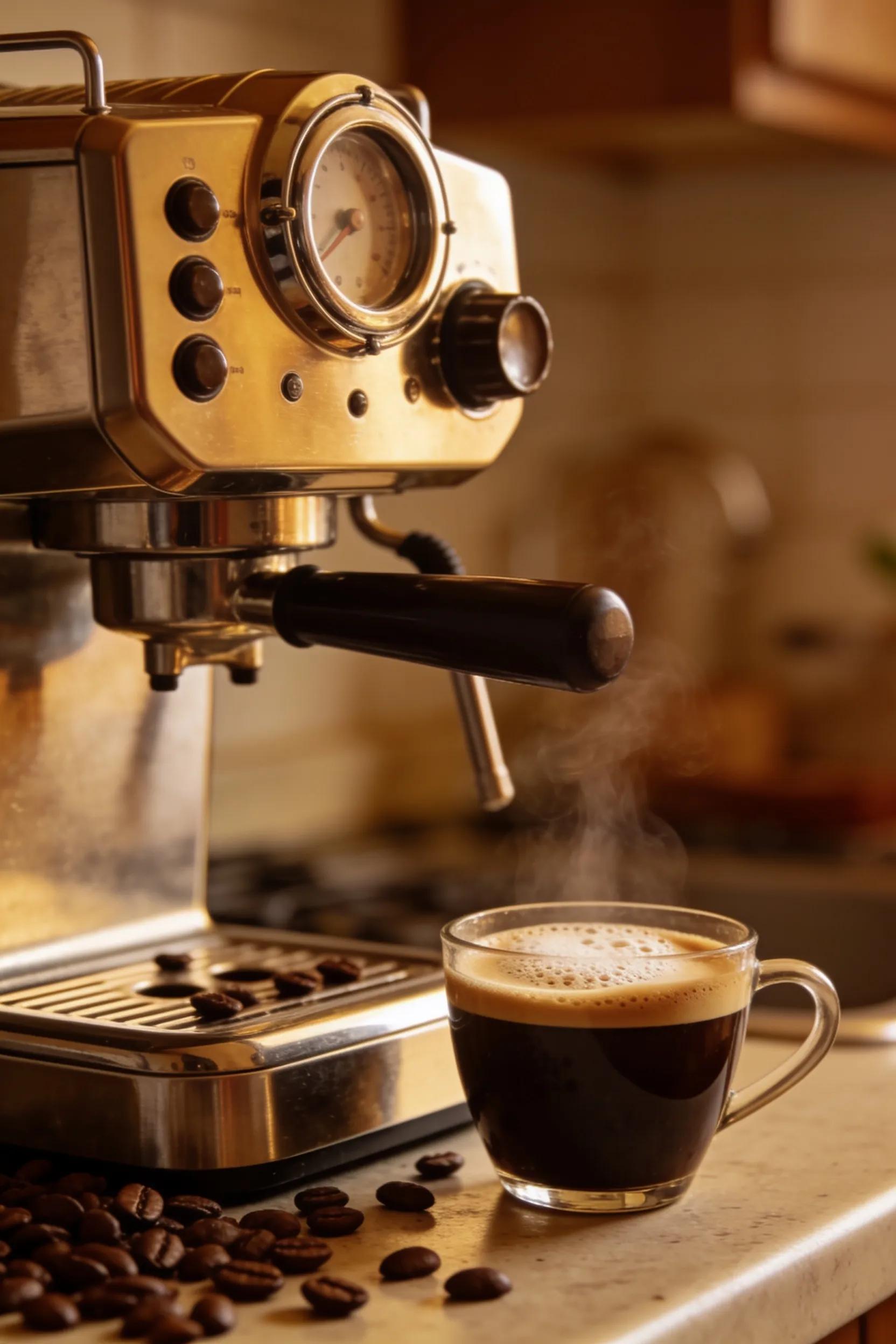
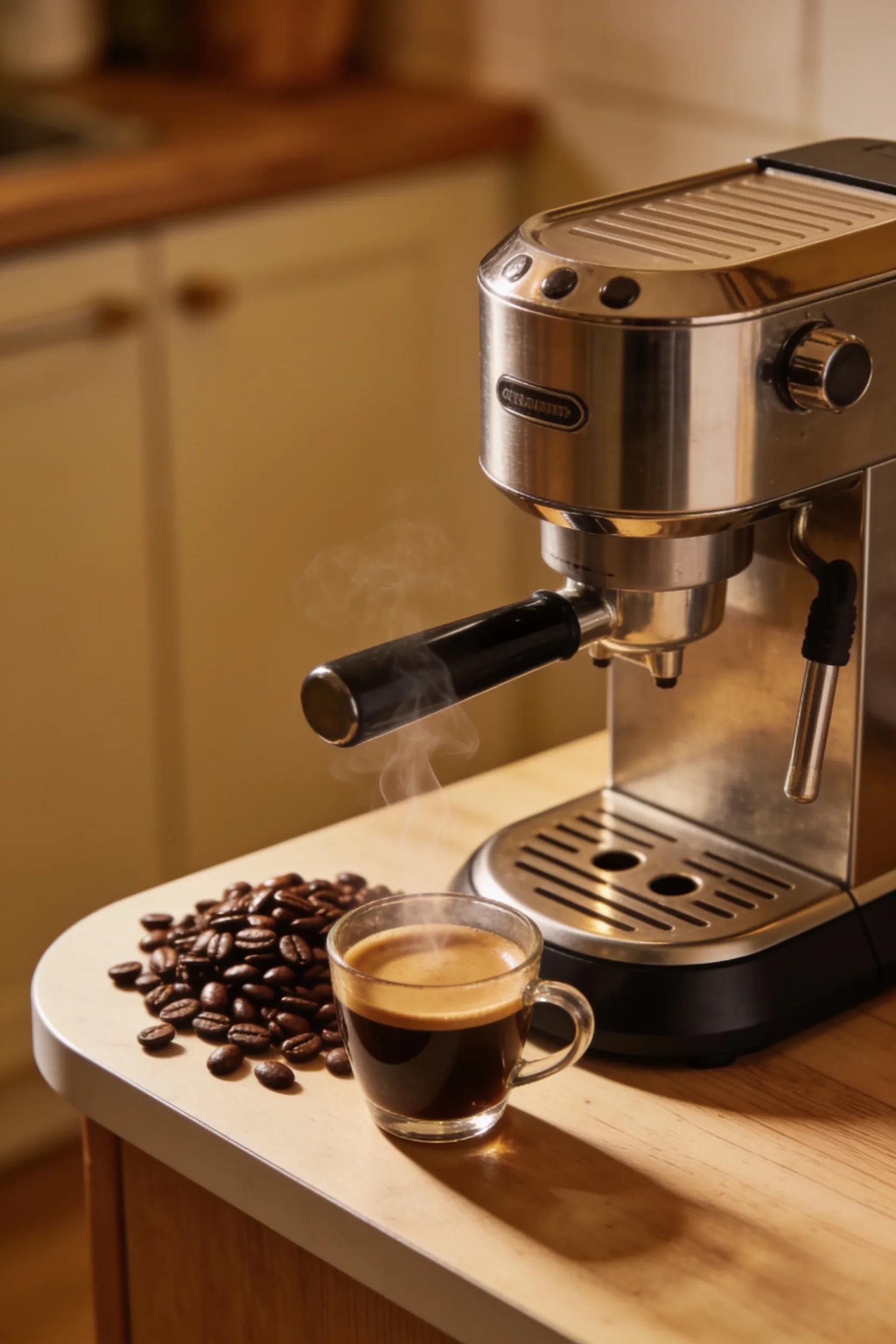
    Compact espresso machine on a small kitchen countertop with coffee beans and a steaming cup of espresso

    Compact espresso machines deliver café-quality shots in environments where counter space is scarce, blending professional performance with streamlined dimensions to transform tiny kitchens, apartments, and workstations into premium coffee stations. In this guide, you’ll discover why a small footprint espresso machine enhances efficiency, which features matter most when space is limited, our top picks for 2026-2027 models, pairing recommendations for compact grinders, step-by-step coffee station setup strategies, common considerations reimagined, and a decision framework to match the ideal mini maker to your specific environment. Whether you’re a home enthusiast, pro barista, café owner or mobile coffee vendor, you’ll gain actionable insights to maximize your espresso experience without sacrificing quality or style.

    Why Choose a Compact Espresso Machine for Small Kitchens in Apartments and Small Shared Workspace?

    A compact espresso machine is a semi-automatic or automatic brewer engineered to occupy minimal counter area while delivering consistent pressure, temperature control, and frothing capabilities. By reducing width, depth, and height, these machines free up valuable workspace and blend seamlessly into constrained environments, such as apartment galley kitchens or work desks. For example, a model under 8 inches high can sit comfortably beneath overhead cabinets, enabling both utility and design harmony in tight quarters.

    Compact machines reduce clutter while supporting professional-grade brewing, laying the groundwork to explore the key benefits in detail.

    What Are the Benefits of a Small Footprint Espresso Machine?

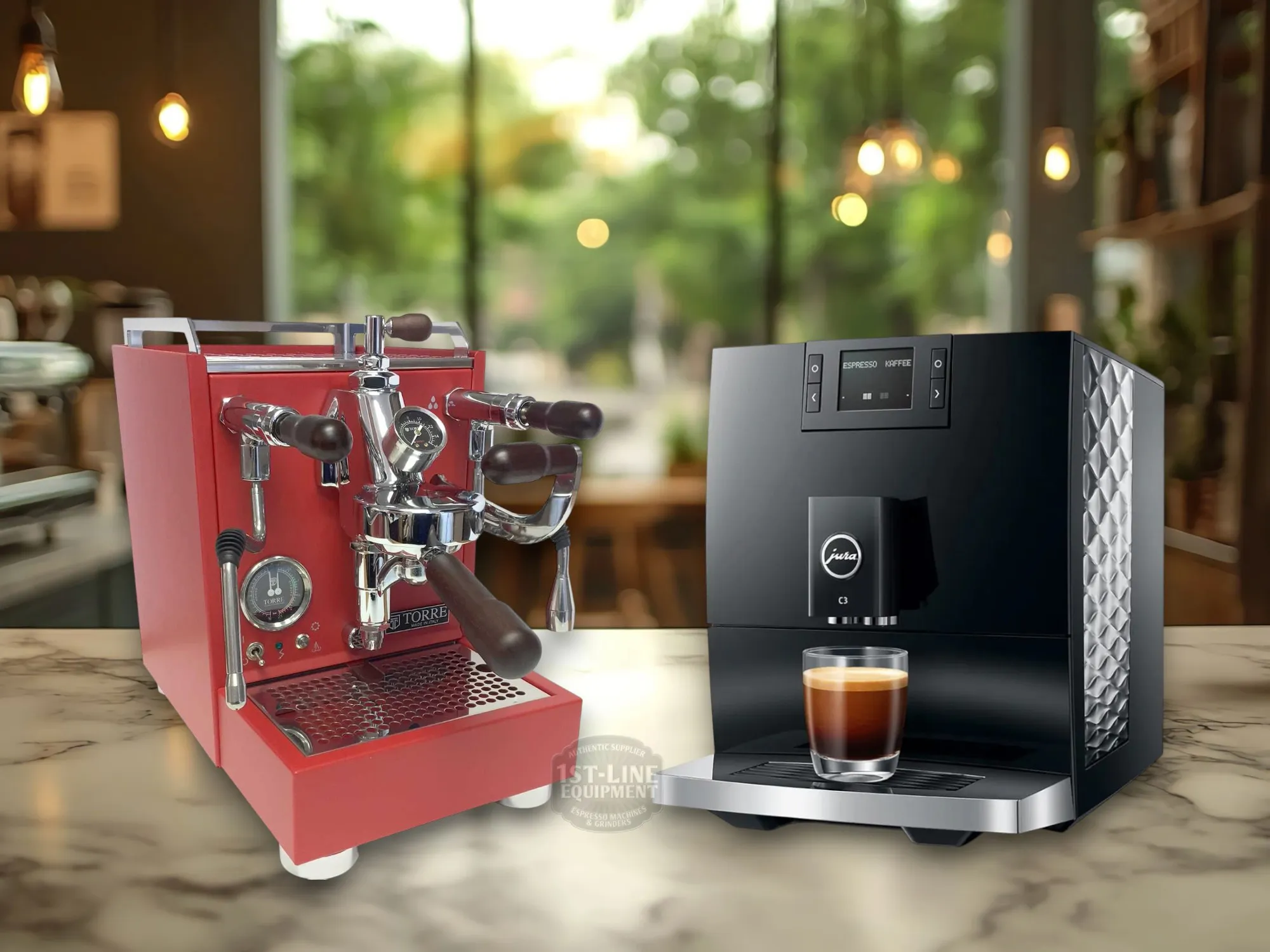
    Two compact small footprint espresso machines Torre Luigino HX in red and Jura C3 in black

    Before diving into model comparisons, consider three core advantages that small-footprint brewers deliver:

    1. Space Optimization – A narrow chassis and shallow depth ensure cabinets and wall cupboards remain accessible.

    2. Energy Efficiency – Rapid heat-up systems minimize idle power draw, reducing energy consumption by up to 30% compared to full-size boilers.

    3. Aesthetic Integration – Sleek profiles and minimalist controls enhance modern décor without overwhelming compact kitchens.

    These benefits collectively elevate daily routines, guiding the selection of features that maintain quality while maximizing space savings.

    How Do Compact Espresso Machines Save Space Without Sacrificing Quality?

    Compact design strategies trim chassis dimensions but preserve essential components—namely a 9-11-bar pump, precision PID, and a commercial-style portafilter.

    [The Science of Espresso Extraction]

    Espresso machines use a 15–20 bar pump to force hot water through finely-ground coffee, creating the characteristic crema and rich flavor of espresso. The pressure and temperature are crucial for optimal extraction, which is the process of dissolving the coffee’s soluble compounds into the water. This process is what gives espresso its unique taste profile.

    • Reduced chassis size is achieved through ThermoJet or thermoblock heating systems that forgo bulky boilers on some models.

    • Integrated PID controllers ensure temperature stability comparable to dual-boiler machines.

    • Fold-away steam wands and removable drip trays accommodate taller cups when needed.

    By embedding professional components into a lightweight frame, these machines deliver café-quality extraction in minimal cubic inches.

    Who Should Consider a Compact Espresso Machine?

    Compact espresso machines cater to diverse user profiles seeking café performance in constrained settings:

    • Urban apartment dwellers craving barista-level espresso on limited counters.

    • Home work or coworking spaces requiring streamlined equipment.

    • Pop-up stands, coffee truck, and coffee cart vendors needing portable, powerful brewers.

    • Prosumer enthusiasts wanting advanced features without a large footprint.

    Understanding your environment and usage frequency will inform which model aligns with your spatial and performance requirements.

    What Key Features Define the Best Compact Espresso Machines?

    Optimal compact espresso machines balance physical dimensions with brewing integrity, frothing ease, and maintenance simplicity. Look for five critical attributes:

    1. Dimensions & Footprint – Explicit width, depth and height should match your intended counter space.

    2. Brewing System – A 9-11-bar pump coupled with a thermoblock or ThermoJet heater ensures rapid, consistent heating. Boilers require longer heating, but can be more temperature stable.

    3. Milk Frothing – Manual steam wands versus automatic frothers impact microfoam quality and user control.

    4. Water Tank Capacity – A removable reservoir sized for daily use reduces refilling frequency in small spaces.

    5. Grinder Integration – Deciding between a built-in grinder and a separate compact grinder influences noise, maintenance, and countertop layout. Built-in grinders an absorb heat from machine and beans may be preheated to offer inferior flavor.

    Evaluating these features side by side prepares you to make an informed choice that suits both your space constraints and brewing aspirations.

    These measurements anchor expectations for under-cabinet clearance and countertop footprint, ensuring the chosen machine integrates seamlessly into your unique setting.

    How Important Are Milk Frothing Capabilities in Mini Espresso Makers?

    Milk texturing options vary by design:

    • Manual Steam Wand – Offers complete control over microfoam quality but requires some technique.

    • Automatic Frother – Delivers consistent, user-friendly frothing at the push of a button, ideal for beginners. Downside may be steamed milk is not hot enough.

    [Milk Frothing and Microfoam]Manual steam wands and automatic frothers create microfoam, which is essential for the texture of milk-based espresso drinks. The quality of the microfoam depends on the technique used with a manual wand or the settings of an automatic frother. Proper milk texturing is key to the overall experience of espresso beverages.

    Choosing between manual and automatic depends on your skill level and the style of beverages you prefer to craft.

    What Role Does Water Tank Capacity Play in Space-Saving Machines?

    A removable tank between 37–61 oz balances refill frequency and compact form factor. In tight quarters, a slim, front-access reservoir that slides out prevents awkward corner maneuvers, ensuring quick top-ups without disassembling equipment.

    Rapid heat-up accelerator for near-instant shots.

    • Automatic steam wand with adjustable milk temperature.

    • 1.9 L removable tank with front access.

    These features deliver barista-grade performance while fitting beneath low cabinets, making it our top recommendation for balanced speed, quality, and size.

    What Makes Casabrews CM5418 the Best Value Compact Espresso Machine?

    Casabrews CM5418 combines a 20-bar Italian pump with a stainless steel thermoblock in a sub-8-inch width chassis:

    • High-pressure extraction for rich crema.

    • Durable stainless steel housing (body and framing).

    • Simple knob controls for intuitive operation.

    This model supports daily espresso needs at an entry-level price, offering professional features without premium costs.

    How Does the Torre Luigino HX Stand Out as a Slim Profile Pick?

    The Torre Luigino HX espresso machine with flow control pairs a heat-exchanger boiler with a narrow chassis, allowing simultaneous espresso extraction and steam production without the wait time of single-boiler designs:

    • Heat-exchanger system for near-instant switching between brewing and steaming.

    • Slim, vertical-oriented housing suited to tight countertop runs.

    • Stainless steel construction for durability and heat retention.

    Its slim profile and dual-function heating make it a strong fit for users who want faster milk-based drink preparation without expanding their counter footprint.

    Why Choose the Jura C3 for Prosumer Compact Espresso Needs?

    The Jura C3 Super-Automatic Espresso Machine integrates automatic bean-to-cup brewing into a compact frame, catering to advanced users who want consistency without manual intervention:

    • One-touch preparation of espresso and coffee specialties via Pulse Extraction Process (P.E.P.) for full flavor extraction.

    • Integrated ceramic disc grinder for precise, low-noise grinding directly before each brew.

    • Height-adjustable spout and intuitive rotary selector for streamlined operation.

    Prosumer brewers will appreciate the high-end automation and repeatable quality the Jura C3 delivers in a small form factor.

    What Are the Durability Benefits of the Rancilio Silvia Compact Classic?

    The Rancilio Silvia delivers commercial-grade components in a compact footprint:

    • Brass boiler for stable temperature retention.

    • Professional portafilter and steam wand assembly.

    • Sturdy stainless steel exterior built to last.

    Its robust build quality ensures years of reliable service, especially in low-use environments like food trucks and home cafés.

    How to Pair Your Compact Espresso Machine with the Right Grinder for Small Spaces?

    Achieving café-quality espresso begins with precise grind consistency. A dedicated compact grinder optimizes shot flavor and maximizes counter flexibility.

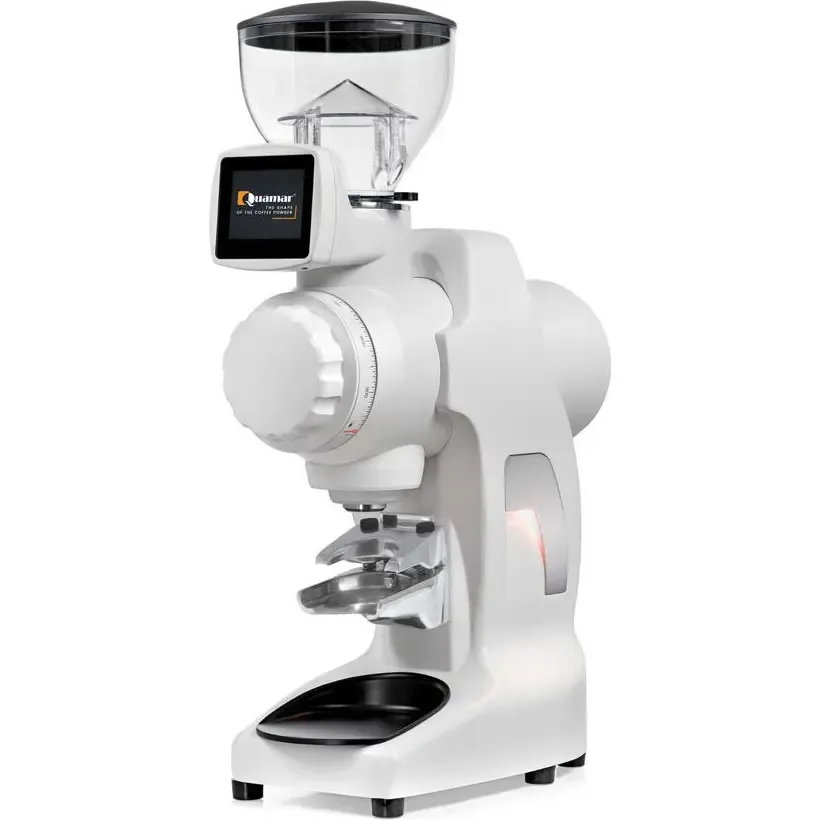
    Which Compact Coffee Grinders Are Best for Small Espresso Machines?

    Three stand-alone grinders excel in minimal footprint and grind performance:

    • Quamar Nemo QE – Flat burrs, low-RPM motor to minimize heat transfer, electronic dosing control, compact footprint.

    • Eureka Mignon Zero – Flat burrs, compact footprint, stepless micrometric adjustment for precise espresso grinding.

    • Baratza Sette 270 – Three-wave burr design, 270 g hopper.

    What Are the Advantages of Using a Separate Grinder vs. Built-in Grinder?

    Standalone grinders offer:

    1. Superior Grind Consistency – Dedicated burr geometry tuned for espresso.

    2. Modular Flexibility – Position grinder independently for ergonomic workflow.

    3. Ease of Maintenance – Simplified burr replacement and cleaning.

    4. No Heating of Beans – Beans are not exposed to the heat generated by the boiler in espresso machinew with integrated grinders.

    Built-in grinders save countertop count but often sacrifice grind flexibility and serviceability.

    How to Optimize Grinder Settings for Compact Espresso Machines?

    To refine grind size and shot quality:

    • Start at a fine setting (equivalent to table salt) and adjust by one notch based on flow rate.

    • Aim for a 23–27 second extraction for a 2 oz shot.

    • Calibrate burr alignment regularly to maintain uniform particle size.

    These adjustments ensure your compact machine brews with maximum flavor clarity and crema stability.

    How Can You Set Up an Efficient Small Space Coffee Station?

    Designing a compact coffee station maximizes workflow and visual appeal while safeguarding machine longevity.

    What Are the Best Space-Saving Accessories for Compact Espresso Machines?

    • Slim Tamping Mat – Protects surfaces while compact enough to store upright.

    • Stackable Shot Glass Set – Nesting design reduces drawer footprint.

    • Stainless Steel Knock Box – Fast pivot for spent puck disposal without extra counter depth.

    How to Organize Your Coffee Station in Apartments, Offices, and Coffee Trucks?

    Efficient station layouts share common principles:

    • Vertical Storage – Install floating shelves above your machine for cups and supplies.

    • Dedicated Zones – Group grinders, beans, and tools in designated areas to speed workflows.

    • Mobile Carts – Use compact carts with lockable castors for food trucks or multi-use spaces.

    Implementing these strategies transforms tight counters into optimized coffee hubs.

    What Maintenance Practices Keep Compact Machines Running Smoothly in Tight Spaces?

    Routine care prevents breakdowns and preserves quality:

    1. Daily Backflush – Use detergent-free cycles to clean the group head. Backflush with detergent every 50 extractions.

    2. Descaling – Run a citric-acid solution to remove mineral buildup dependent upon water hardness.

    3. Monthly Gasket Check – Inspect and replace group head seals for consistent pressure.

    Consistent maintenance extends machine lifespan and protects your investment.

    What Are the Most Frequently Asked Questions About Compact Espresso Machines?

    Compact espresso buyers often ask similar questions about size, integration, and sustainability. Understanding these concerns guides smarter purchases and setup strategies.

    What Is the Smallest Espresso Machine Suitable for Home Use?

    Ultra-mini machines include capsule-based brewers like the Nespresso Essenza Mini and compact semi-automatics such as the Breville Bambino Plus. Both occupy under 7 inches of width and deliver efficient, high-pressure extraction suitable for one-cup routines.

    Do Compact Espresso Machines Require a Separate Grinder?

    While some compact models feature built-in grinders, a separate grinder typically provides better grind consistency and flexibility. A dedicated burr grinder also reduces heat transfer and vibration within the espresso unit, preserving shot flavor and machine longevity.

    Which Brands Offer the Best Compact Espresso Machines for Small Kitchens?

    Leading brands include Breville, Jura, Casabrews, Torre, and Rancilio. Each manufacturer combines space-saving design with signature features—ThermoJet heating, thermoblock systems, PID control, and commercial-grade portafilters—tailored to specific user needs and environments.

    How Do Energy Efficiency and Sustainability Impact Compact Espresso Machines?

    Advanced heating elements like ThermoJet and smart standby modes minimize both water and power usage. Sustainable materials, such as recycled stainless steel panels and BPA-free reservoirs, reduce environmental impact while maintaining top-tier performance in compact housings. However, fast heating systems cannot keep up with back-to-back espresso extractions.

    How to Choose the Best Compact Espresso Machine for Your Specific Small Space?

    Selecting the optimal mini maker hinges on matching technical specifications to your environment and usage patterns. Focus on key factors to frame your final decision.

    What Factors Should You Consider for Apartment vs Office Desk Espresso Machines?

    1. Counter Clearance – Measure under-cabinet height for ignition clearance.

    2. Noise Tolerance – Choose low-noise, rotary pumps in shared workspaces.

    3. Usage Frequency – Larger tanks suit home routines; single-serve pods may suffice for occasional workspace use.

    These considerations ensure your machine adapts to both physical and social constraints.

    How to Balance Budget and Features When Buying a Mini Espresso Maker?

    Weigh essential performance attributes against price:

    • Core Extraction – Ensure a 9-11-bar pump and reliable temperature control.

    • Frothing Requirements – Manual wands cost less; automatic systems add convenience at premium price.

    • Build Quality – Stainless steel bodies may increase cost but yield long-term durability.

    By prioritizing must-have features, you invest where it matters most.

    What Are the Pros and Cons of Semi-Automatic vs Automatic Compact Machines?

    • Semi-Automatic Greater control over extraction and manual pre-infusion. Requires barista technique and time investment.

    • Automatic One-touch brewing and frothing for consistent results. Less tactile engagement for enthusiasts seeking hands-on experience.

    Your skill level and beverage preferences will determine which control style aligns best with your small-space setup.

    Compact espresso machines revolutionize small kitchens, workspaces, and mobile operations by combining professional-grade components with space-saving designs. By assessing dimensions, heating systems, frothing controls, and grinder options alongside your environment and budget, you can pinpoint the ideal machine that harmonizes performance and practicality. Ready to elevate your compact coffee experience? Explore our curated selection of top-rated espresso machines and grinders at 1st-line.com to find your perfect fit.

Secret Link