
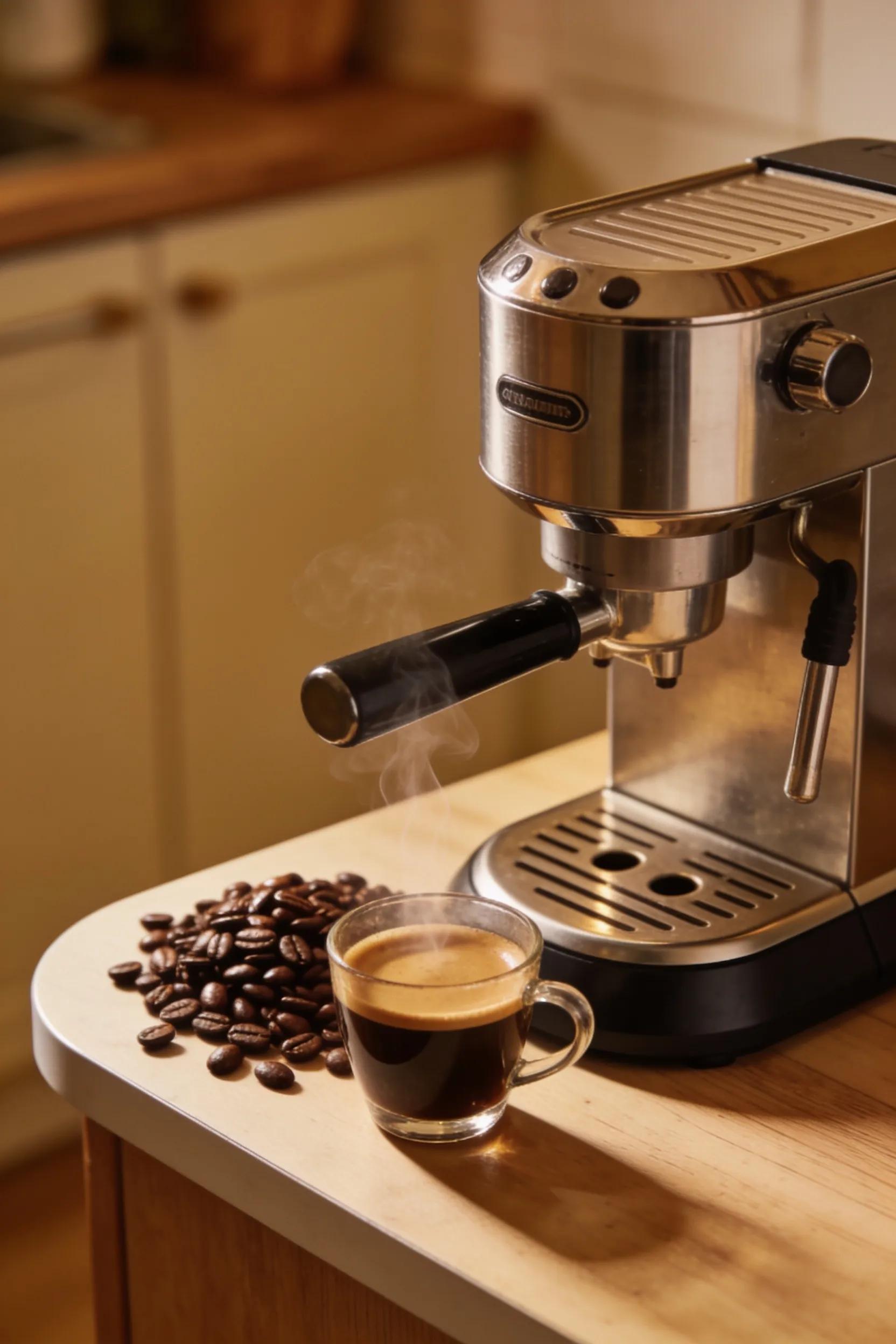
Compact espresso machine on a small kitchen countertop with coffee beans and a steaming cup of espresso
Compact espresso machines deliver café-quality shots in environments where counter space is scarce, blending professional performance with streamlined dimensions to transform tiny kitchens, apartments, and workstations into premium coffee stations. In this guide, you’ll discover why a small footprint espresso machine enhances efficiency, which features matter most when space is limited, our top picks for 2026-2027 models, pairing recommendations for compact grinders, step-by-step coffee station setup strategies, common considerations reimagined, and a decision framework to match the ideal mini maker to your specific environment. Whether you’re a home enthusiast, pro barista, café owner or mobile coffee vendor, you’ll gain actionable insights to maximize your espresso experience without sacrificing quality or style.
Why Choose a Compact Espresso Machine for Small Kitchens in Apartments and Small Shared Workspace?
A compact espresso machine is a semi-automatic or automatic brewer engineered to occupy minimal counter area while delivering consistent pressure, temperature control, and frothing capabilities. By reducing width, depth, and height, these machines free up valuable workspace and blend seamlessly into constrained environments, such as apartment galley kitchens or work desks. For example, a model under 8 inches high can sit comfortably beneath overhead cabinets, enabling both utility and design harmony in tight quarters.
Compact machines reduce clutter while supporting professional-grade brewing, laying the groundwork to explore the key benefits in detail.
What Are the Benefits of a Small Footprint Espresso Machine?
Before diving into model comparisons, consider three core advantages that small-footprint brewers deliver:
Space Optimization – A narrow chassis and shallow depth ensure cabinets and wall cupboards remain accessible.
Energy Efficiency – Rapid heat-up systems minimize idle power draw, reducing energy consumption by up to 30% compared to full-size boilers.
Aesthetic Integration – Sleek profiles and minimalist controls enhance modern décor without overwhelming compact kitchens.
These benefits collectively elevate daily routines, guiding the selection of features that maintain quality while maximizing space savings.
How Do Compact Espresso Machines Save Space Without Sacrificing Quality?
Compact design strategies trim chassis dimensions but preserve essential components—namely a 9-11-bar pump, precision PID, and a commercial-style portafilter.
[The Science of Espresso Extraction]
Espresso machines use a 15–20 bar pump to force hot water through finely-ground coffee, creating the characteristic crema and rich flavor of espresso. The pressure and temperature are crucial for optimal extraction, which is the process of dissolving the coffee’s soluble compounds into the water. This process is what gives espresso its unique taste profile.
Reduced chassis size is achieved through ThermoJet or thermoblock heating systems that forgo bulky boilers on some models.
Integrated PID controllers ensure temperature stability comparable to dual-boiler machines.
Fold-away steam wands and removable drip trays accommodate taller cups when needed.
By embedding professional components into a lightweight frame, these machines deliver café-quality extraction in minimal cubic inches.
Who Should Consider a Compact Espresso Machine?
Compact espresso machines cater to diverse user profiles seeking café performance in constrained settings:
Urban apartment dwellers craving barista-level espresso on limited counters.
Home work or coworking spaces requiring streamlined equipment.
Pop-up stands, coffee truck, and coffee cart vendors needing portable, powerful brewers.
Prosumer enthusiasts wanting advanced features without a large footprint.
Understanding your environment and usage frequency will inform which model aligns with your spatial and performance requirements.
What Key Features Define the Best Compact Espresso Machines?
Optimal compact espresso machines balance physical dimensions with brewing integrity, frothing ease, and maintenance simplicity. Look for five critical attributes:
Dimensions & Footprint – Explicit width, depth and height should match your intended counter space.
Brewing System – A 9-11-bar pump coupled with a thermoblock or ThermoJet heater ensures rapid, consistent heating. Boilers require longer heating, but can be more temperature stable.
Milk Frothing – Manual steam wands versus automatic frothers impact microfoam quality and user control.
Water Tank Capacity – A removable reservoir sized for daily use reduces refilling frequency in small spaces.
Grinder Integration – Deciding between a built-in grinder and a separate compact grinder influences noise, maintenance, and countertop layout. Built-in grinders an absorb heat from machine and beans may be preheated to offer inferior flavor.
Evaluating these features side by side prepares you to make an informed choice that suits both your space constraints and brewing aspirations.
These measurements anchor expectations for under-cabinet clearance and countertop footprint, ensuring the chosen machine integrates seamlessly into your unique setting.
How Important Are Milk Frothing Capabilities in Mini Espresso Makers?
Milk texturing options vary by design:
Manual Steam Wand – Offers complete control over microfoam quality but requires some technique.
Automatic Frother – Delivers consistent, user-friendly frothing at the push of a button, ideal for beginners. Downside may be steamed milk is not hot enough.
[Milk Frothing and Microfoam]Manual steam wands and automatic frothers create microfoam, which is essential for the texture of milk-based espresso drinks. The quality of the microfoam depends on the technique used with a manual wand or the settings of an automatic frother. Proper milk texturing is key to the overall experience of espresso beverages.
Choosing between manual and automatic depends on your skill level and the style of beverages you prefer to craft.
What Role Does Water Tank Capacity Play in Space-Saving Machines?
A removable tank between 37–61 oz balances refill frequency and compact form factor. In tight quarters, a slim, front-access reservoir that slides out prevents awkward corner maneuvers, ensuring quick top-ups without disassembling equipment.
Rapid heat-up accelerator for near-instant shots.
Automatic steam wand with adjustable milk temperature.
1.9 L removable tank with front access.
These features deliver barista-grade performance while fitting beneath low cabinets, making it our top recommendation for balanced speed, quality, and size.
What Makes Casabrews CM5418 the Best Value Compact Espresso Machine?
Casabrews CM5418 combines a 20-bar Italian pump with a stainless steel thermoblock in a sub-8-inch width chassis:
High-pressure extraction for rich crema.
Durable stainless steel housing (body and framing).
Simple knob controls for intuitive operation.
This model supports daily espresso needs at an entry-level price, offering professional features without premium costs.
How Does the Torre Luigino HX Stand Out as a Slim Profile Pick?
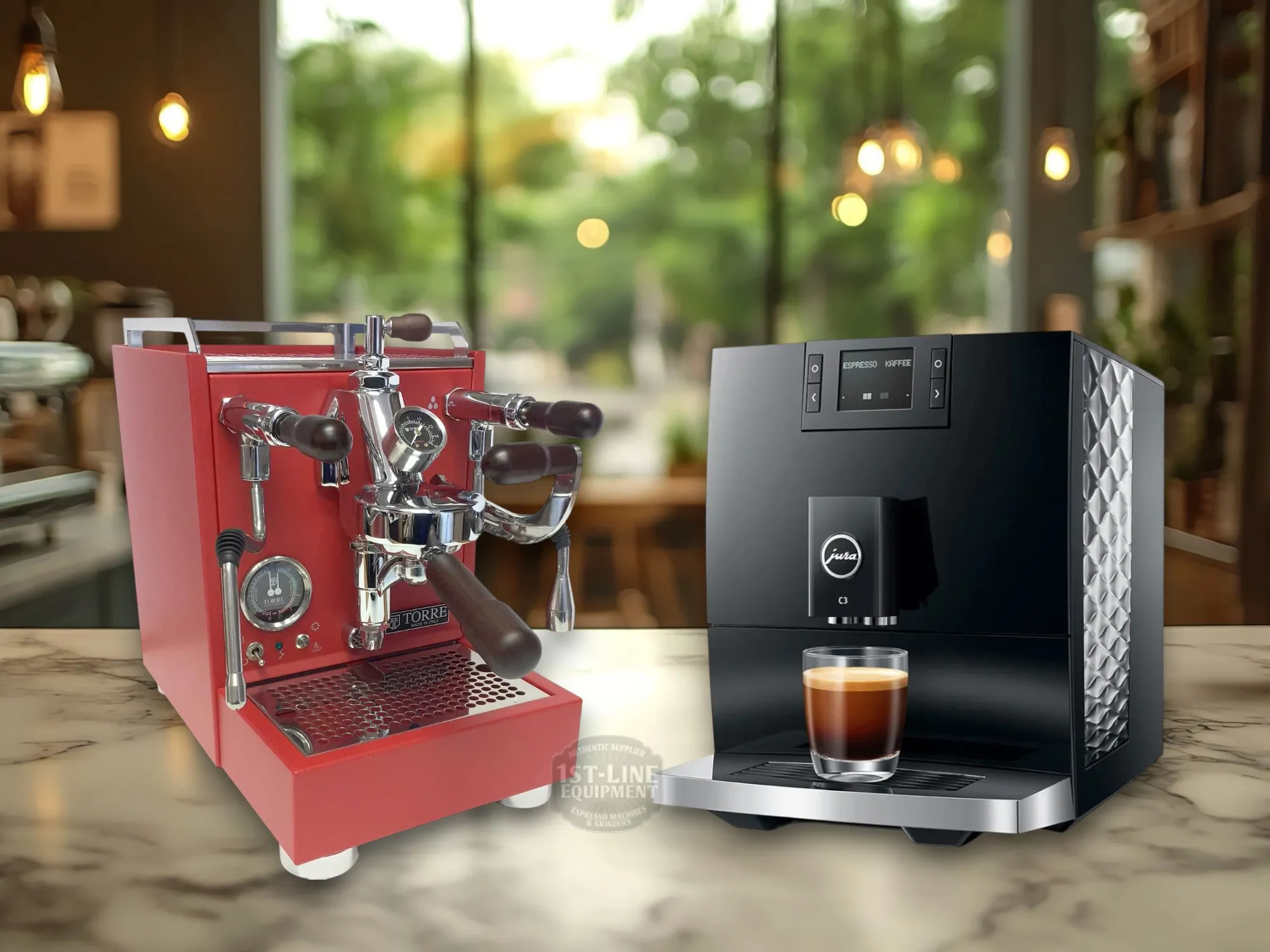
The Torre Luigino HX espresso machine with flow control pairs a heat-exchanger boiler with a narrow chassis, allowing simultaneous espresso extraction and steam production without the wait time of single-boiler designs:
Heat-exchanger system for near-instant switching between brewing and steaming.
Slim, vertical-oriented housing suited to tight countertop runs.
Stainless steel construction for durability and heat retention.
Its slim profile and dual-function heating make it a strong fit for users who want faster milk-based drink preparation without expanding their counter footprint.
Why Choose the Jura C3 for Prosumer Compact Espresso Needs?
The Jura C3 Super-Automatic Espresso Machine integrates automatic bean-to-cup brewing into a compact frame, catering to advanced users who want consistency without manual intervention:
One-touch preparation of espresso and coffee specialties via Pulse Extraction Process (P.E.P.) for full flavor extraction.
Integrated ceramic disc grinder for precise, low-noise grinding directly before each brew.
Height-adjustable spout and intuitive rotary selector for streamlined operation.
Prosumer brewers will appreciate the high-end automation and repeatable quality the Jura C3 delivers in a small form factor.
What Are the Durability Benefits of the Rancilio Silvia Compact Classic?
The Rancilio Silvia delivers commercial-grade components in a compact footprint:
Brass boiler for stable temperature retention.
Professional portafilter and steam wand assembly.
Sturdy stainless steel exterior built to last.
Its robust build quality ensures years of reliable service, especially in low-use environments like food trucks and home cafés.
How to Pair Your Compact Espresso Machine with the Right Grinder for Small Spaces?
Achieving café-quality espresso begins with precise grind consistency. A dedicated compact grinder optimizes shot flavor and maximizes counter flexibility.
Which Compact Coffee Grinders Are Best for Small Espresso Machines?
Three stand-alone grinders excel in minimal footprint and grind performance:
Quamar Nemo QE – Flat burrs, low-RPM motor to minimize heat transfer, electronic dosing control, compact footprint.
Eureka Mignon Zero – Flat burrs, compact footprint, stepless micrometric adjustment for precise espresso grinding.
Baratza Sette 270 – Three-wave burr design, 270 g hopper.
What Are the Advantages of Using a Separate Grinder vs. Built-in Grinder?
Standalone grinders offer:
Superior Grind Consistency – Dedicated burr geometry tuned for espresso.
Modular Flexibility – Position grinder independently for ergonomic workflow.
Ease of Maintenance – Simplified burr replacement and cleaning.
No Heating of Beans – Beans are not exposed to the heat generated by the boiler in espresso machinew with integrated grinders.
Built-in grinders save countertop count but often sacrifice grind flexibility and serviceability.
How to Optimize Grinder Settings for Compact Espresso Machines?
To refine grind size and shot quality:
Start at a fine setting (equivalent to table salt) and adjust by one notch based on flow rate.
Aim for a 23–27 second extraction for a 2 oz shot.
Calibrate burr alignment regularly to maintain uniform particle size.
These adjustments ensure your compact machine brews with maximum flavor clarity and crema stability.
How Can You Set Up an Efficient Small Space Coffee Station?
Designing a compact coffee station maximizes workflow and visual appeal while safeguarding machine longevity.
What Are the Best Space-Saving Accessories for Compact Espresso Machines?
Slim Tamping Mat – Protects surfaces while compact enough to store upright.
Stackable Shot Glass Set – Nesting design reduces drawer footprint.
Stainless Steel Knock Box – Fast pivot for spent puck disposal without extra counter depth.
How to Organize Your Coffee Station in Apartments, Offices, and Coffee Trucks?
Efficient station layouts share common principles:
Vertical Storage – Install floating shelves above your machine for cups and supplies.
Dedicated Zones – Group grinders, beans, and tools in designated areas to speed workflows.
Mobile Carts – Use compact carts with lockable castors for food trucks or multi-use spaces.
Implementing these strategies transforms tight counters into optimized coffee hubs.
What Maintenance Practices Keep Compact Machines Running Smoothly in Tight Spaces?
Routine care prevents breakdowns and preserves quality:
Daily Backflush – Use detergent-free cycles to clean the group head. Backflush with detergent every 50 extractions.
Descaling – Run a citric-acid solution to remove mineral buildup dependent upon water hardness.
Monthly Gasket Check – Inspect and replace group head seals for consistent pressure.
Consistent maintenance extends machine lifespan and protects your investment.
What Are the Most Frequently Asked Questions About Compact Espresso Machines?
Compact espresso buyers often ask similar questions about size, integration, and sustainability. Understanding these concerns guides smarter purchases and setup strategies.
What Is the Smallest Espresso Machine Suitable for Home Use?
Ultra-mini machines include capsule-based brewers like the Nespresso Essenza Mini and compact semi-automatics such as the Breville Bambino Plus. Both occupy under 7 inches of width and deliver efficient, high-pressure extraction suitable for one-cup routines.
Do Compact Espresso Machines Require a Separate Grinder?
While some compact models feature built-in grinders, a separate grinder typically provides better grind consistency and flexibility. A dedicated burr grinder also reduces heat transfer and vibration within the espresso unit, preserving shot flavor and machine longevity.
Which Brands Offer the Best Compact Espresso Machines for Small Kitchens?
Leading brands include Breville, Jura, Casabrews, Torre, and Rancilio. Each manufacturer combines space-saving design with signature features—ThermoJet heating, thermoblock systems, PID control, and commercial-grade portafilters—tailored to specific user needs and environments.
How Do Energy Efficiency and Sustainability Impact Compact Espresso Machines?
Advanced heating elements like ThermoJet and smart standby modes minimize both water and power usage. Sustainable materials, such as recycled stainless steel panels and BPA-free reservoirs, reduce environmental impact while maintaining top-tier performance in compact housings. However, fast heating systems cannot keep up with back-to-back espresso extractions.
How to Choose the Best Compact Espresso Machine for Your Specific Small Space?
Selecting the optimal mini maker hinges on matching technical specifications to your environment and usage patterns. Focus on key factors to frame your final decision.
What Factors Should You Consider for Apartment vs Office Desk Espresso Machines?
Counter Clearance – Measure under-cabinet height for ignition clearance.
Noise Tolerance – Choose low-noise, rotary pumps in shared workspaces.
Usage Frequency – Larger tanks suit home routines; single-serve pods may suffice for occasional workspace use.
These considerations ensure your machine adapts to both physical and social constraints.
How to Balance Budget and Features When Buying a Mini Espresso Maker?
Weigh essential performance attributes against price:
Core Extraction – Ensure a 9-11-bar pump and reliable temperature control.
Frothing Requirements – Manual wands cost less; automatic systems add convenience at premium price.
Build Quality – Stainless steel bodies may increase cost but yield long-term durability.
By prioritizing must-have features, you invest where it matters most.
What Are the Pros and Cons of Semi-Automatic vs Automatic Compact Machines?
Semi-Automatic Greater control over extraction and manual pre-infusion. Requires barista technique and time investment.
Automatic One-touch brewing and frothing for consistent results. Less tactile engagement for enthusiasts seeking hands-on experience.
Your skill level and beverage preferences will determine which control style aligns best with your small-space setup.
Compact espresso machines revolutionize small kitchens, workspaces, and mobile operations by combining professional-grade components with space-saving designs. By assessing dimensions, heating systems, frothing controls, and grinder options alongside your environment and budget, you can pinpoint the ideal machine that harmonizes performance and practicality. Ready to elevate your compact coffee experience? Explore our curated selection of top-rated espresso machines and grinders at 1st-line.com to find your perfect fit.