
Key Takeaways
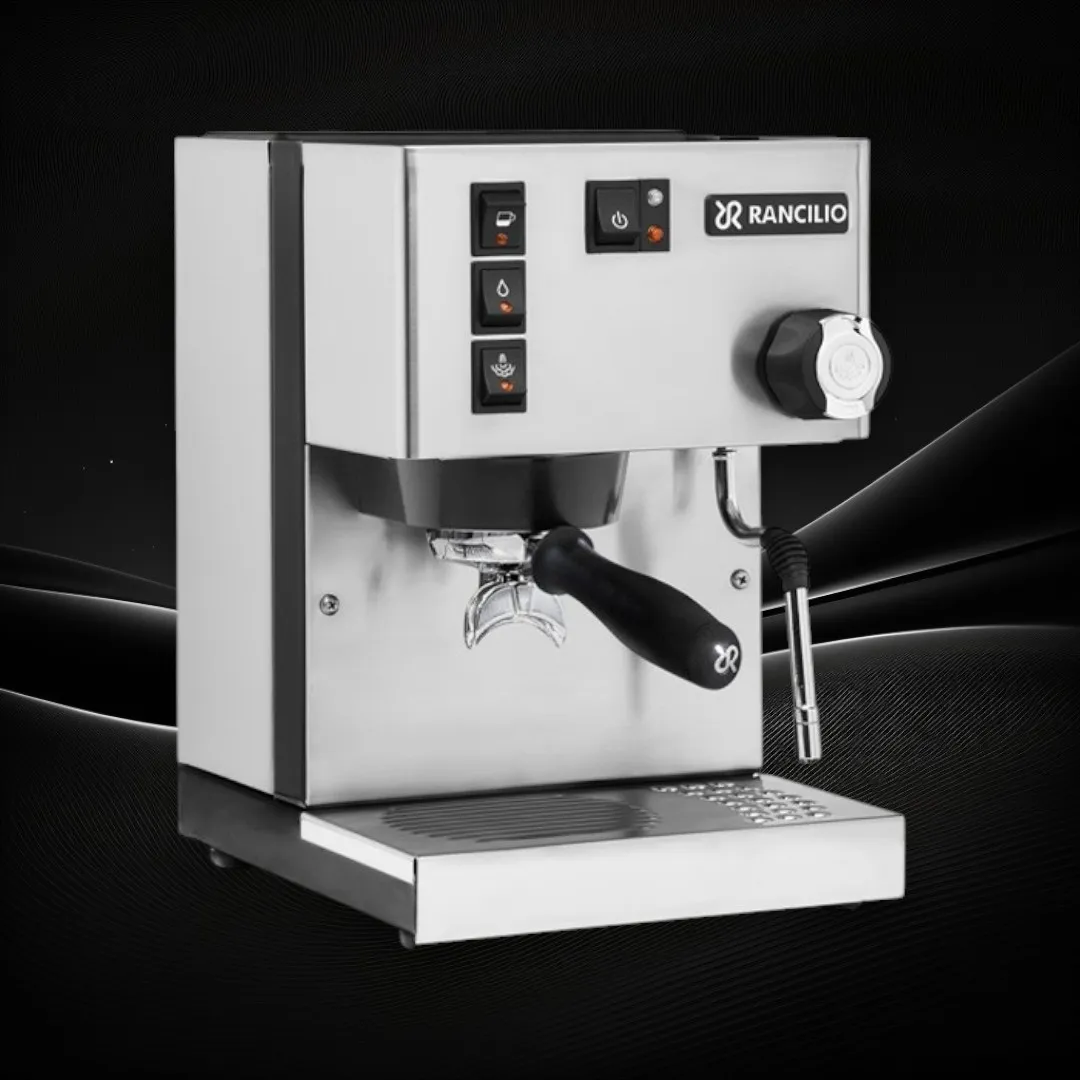
Manual temperature surfing optimizes espresso extraction on machines without PID temperature controllers like the Rancilio Silvia.
Baristas time their shots strategically after the boiler cycles to catch the ideal brewing temperature window.
Proper temperature and pressure conditions create the perfect environment for pulling consistently excellent espresso shots.
This analog technique requires skill and attention, transforming espresso machines into tools for precision coffee craftsmanship.
What Does Manual Temperature Surfing Mean?
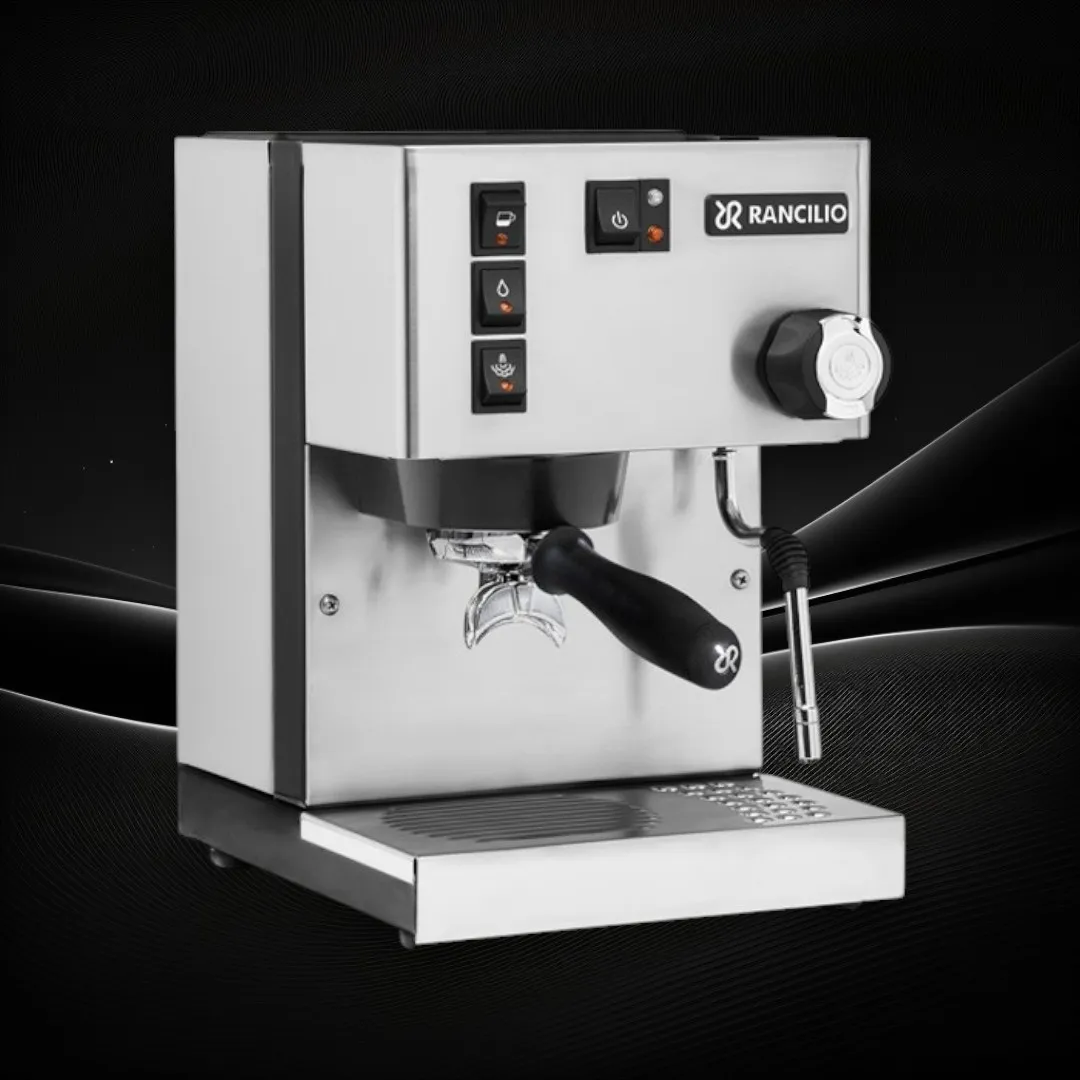
Manual temperature surfing describes a workflow for brewing on machines that lack an algorithmic temperature controller, or PID. Operators use the technique to estimate and time the brew temperature without digital feedback. The practice applies directly to machines like those in the single boiler category. The boiler heats past the ideal brew point before settling back down.
1st-line Equipment carries multiple espresso machine categories, including dual boiler, heat exchange, manual and lever, single boiler, thermoblock, super automatic, and commercial grade models. Single boiler designs are the ones most likely to demand this manual approach. They cycle through wide temperature swings between heating and brewing phases. Dual boiler and PID-equipped models remove most of this guesswork by managing heat electronically.
Why does temperature matter for espresso extraction?
Brew temperature shapes how coffee solubles extract from the grounds, directly affecting balance and flavor. Water that is too hot pulls bitter, burnt notes; water that runs too cool produces a sour, underdeveloped shot. Temperature consistency shot to shot separates a repeatable espresso routine from one governed by chance.
Where can home baristas learn this technique?
Manual temperature surfing is not intuitive on first attempt, and most single boiler owners benefit from structured guidance. 1st-line Equipment provides online technical support, repair services, and diagrams for the household models it represents, giving enthusiasts a resource for learning workflows like surfing alongside proper machine upkeep.
Why Does Boiler Heat Cycle Affect Temperature?
A single boiler paired with a simple thermostat creates the central challenge behind an unstable espresso machine brewing environment. Thermostats cycle the heating element on and off around a fixed range. Water temperature drifts upward and downward rather than holding steady. That drift explains why identical grind settings. Dose weights still produce shots that taste sour one pull and bitter the next. Manual temperature surfing exists precisely to counter this mechanical reality, giving home baristas a way to time their shot pull against the heating cycle rather than fight it.
What Causes Temperature Swings in a Single-Boiler Machine?
Mineral buildup inside the boiler compounds the thermostat’s natural instability by insulating the heating element from the water itself. Scale deposits slow heat transfer and distort the timing of each cycle, making the swings harder to predict. Water treatment solutions and routine descaling reduce this buildup, helping preserve a more consistent heating pattern over months of daily use.
How Does Analog Equipment Depend on Technique?
Analog espresso equipment places more responsibility on the operator than digital models do. Lever machines demonstrate this principle clearly: they extract espresso through mechanical piston displacement inside the grouphead rather than an electric pump, demanding hands-on control at every stage. Temperature consistency on such equipment comes from learned routine, not automated correction, which is the same logic that governs surfing technique.
How Can Baristas Achieve Temperature Consistency?
Consistency comes from repetition, not luck. Baristas who follow a fixed routine before each shot give the boiler a predictable window to settle at the right brewing point. Manual temperature surfing builds that routine by timing the machine’s heating cycle. The group head reaches a similar temperature on every pull. According to How to Temperature Surf the Gaggia Classic, this practice improves shot-to-shot consistency. The barista draws each shot at a comparable temperature rather than guessing whether the boiler has overheated or cooled.
Does Equipment Beyond the Machine Matter for Temperature Consistency?
Precision tools matter as much as timing. A reliable scale and proper dosing accessories let baristas pair exact coffee weights with their surfing routine, removing a second variable from the equation. Without consistent dosing, even a perfectly timed espresso machine cycle produces uneven results. Grind mass and extraction time shift the ideal brewing window.
What Role Does Water Quality Play in Long-Term Temperature Stability?
Scale buildup is the silent enemy of stable temperature. Mineral deposits insulate the boiler and heating elements, slowing recovery and distorting the surfing timeline a barista has learned by feel. Routine cleaning and proper water treatment keep those surfaces clear, preserving accurate heat transfer for months rather than weeks.
Three habits reinforce temperature consistency over time:
Following the same pre-shot cooling or surfing sequence every session
Weighing doses precisely with a dedicated scale
Descaling and treating water on a regular schedule (dependent upon water hardness)
Together, these habits turn an analog machine’s quirks into a repeatable craft.
FAQ
What is manual temperature surfing?
Manual temperature surfing is a brewing workflow for espresso machines without a PID controller, like the Rancilio Silvia. Operators time their shot pull after the boiler cycles to hit the ideal brewing temperature window without digital feedback.
Why does temperature matter for espresso extraction?
Brew temperature shapes how coffee solubles extract, directly affecting flavor balance. Water too hot creates bitter, burnt notes, while water too cool produces a sour, underdeveloped shot.
What causes temperature swings in single boiler machines?
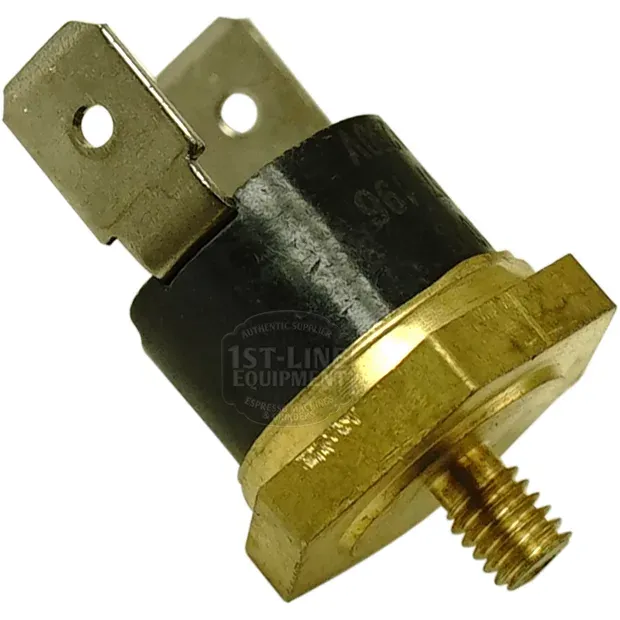
A simple thermostat cycles the heating element on and off, causing water temperature to drift rather than hold steady. Mineral buildup inside the boiler further insulates the heating element, distorting cycle timing.
Conclusion
In closing, manual temperature surfing represents a fundamental technique that distinguishes engaged espresso enthusiasts from casual operators. By mastering the relationship between machine heat cycles. Extraction timing, practitioners achieve measurable improvements in shot consistency and flavor development without requiring expensive dual boiler or heat exchange equipment. This method demands attention and discipline, yet it remains accessible to anyone committed to understanding their machine’s thermal dynamics and willing to invest the necessary practice to execute it reliably.