Espresso extraction depends on several variables, including grind size, coffee roast level, dose, water temperature, pressure, and extraction time. Among these variables, espresso grind size in microns is one of the most important factors influencing flavor, crema, body, and shot consistency. Understanding how grind size interacts with light, medium, and dark roasted coffee can help home baristas and professional coffee shops dial in espresso more efficiently.
Although there is no single grind size that works for every coffee, measuring particle size in microns provides a useful starting point for understanding how coffee beans behave during extraction. Roast level changes the physical structure and solubility of coffee beans, which means the ideal espresso grind setting often varies depending on how the beans were roasted.
What Is Espresso Grind Size in Microns?
A micron, also called a micrometer (µm), is one-millionth of a meter. Coffee grinders produce a distribution of particle sizes rather than uniform particles, so an espresso grind cannot be described accurately by a single measurement alone.
For example, a grind distribution might contain fine particles measuring 100–200 microns alongside larger particles measuring 400–600 microns. The relative proportions of these particles influence water flow and extraction.
Three important concepts help explain espresso grind size:
Fine grind: Smaller particles create more surface area for water to contact, generally increasing extraction potential and restricting water flow.
Coarse grind: Larger particles offer less surface area relative to their volume, generally allowing water to flow more easily and reducing extraction potential.
Particle-size distribution: The range of particle sizes produced by the grinder affects consistency, resistance to water flow, and the balance of extracted flavors.
For espresso, grind settings typically produce a distribution of particles across a broad range, often including particles below 200 microns and larger fragments extending beyond 400 microns. The exact distribution depends on the grinder, burr geometry, bean characteristics, and adjustment setting.
It is important to distinguish the grinder’s adjustment setting from the actual particle size in microns. Two grinders set to the same nominal setting can produce very different results.
Recommended Espresso Grind Size by Roast Level
The best grind size for espresso depends on the coffee’s roast level, freshness, origin, processing method, and desired flavor profile. The following ranges are illustrative starting points for median particle size, not universal industry standards. Actual results depend heavily on the grinder and its particle-size distribution.
These ranges overlap intentionally. A grinder that produces a high proportion of particles smaller than 100 microns may behave differently from one producing fewer fines, even when both have a similar median particle size.
1. Light Roast Espresso Grind Size: Approximately 50-200 Microns
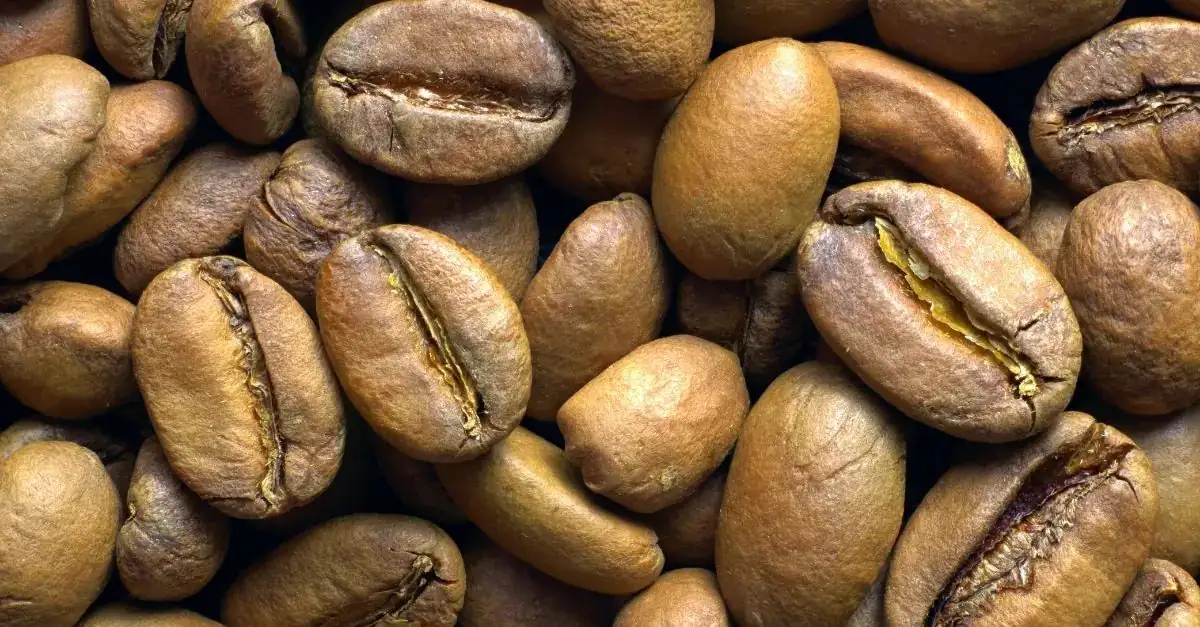
Light-roasted coffee generally retains more of the bean’s original density and has a less-developed porous structure than darker coffee. Its soluble compounds can be more difficult to extract, making grind size especially important.
A finer grind increases the surface area exposed to hot water and generally slows the flow through the coffee puck. This can help extract sweetness and body while reducing the sharp, sour flavors associated with insufficient extraction.
Recommended approach: Start with a median particle size around 100-150 microns, if your grinder and measurement method support that level of precision. Adjust toward finer settings if the espresso tastes sharply acidic, thin, or underdeveloped. If the shot becomes harsh, excessively bitter, or uneven, investigate channeling and extraction balance before simply grinding finer.
Light-roast espresso may also benefit from a lower brew temperature, often around 90–93°C (194–199°F), depending on the coffee and machine
2. Medium Roast Espresso Grind Size: Approximately 250–350 Microns
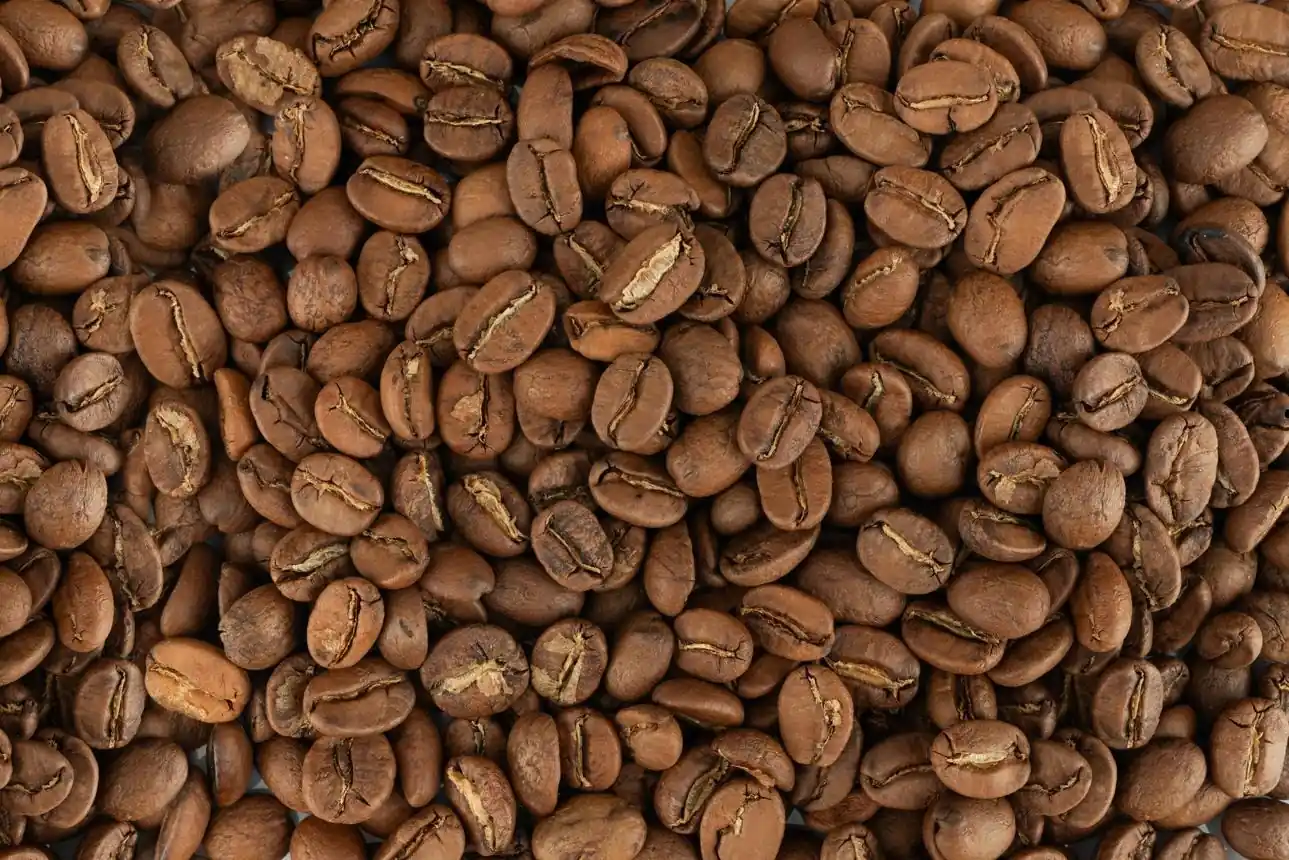
Medium-roasted beans offer a balance between origin characteristics and roast-developed flavors. Caramel, chocolate, nuts, and moderate acidity are common flavor descriptions, although the actual profile varies by bean.
Because medium roasts are typically easier to extract than light roasts, they often work well with a conventional espresso grind. A median particle size in the 250–350 micron range is a reasonable experimental starting point, provided the grinder produces a suitable distribution.
Recommended approach: Begin near the middle of the proposed range and establish a consistent dose and beverage yield. For example, an 18-gram dose producing 36 grams of espresso is a useful starting recipe. Adjust the grind until the shot delivers balanced sweetness, acidity, and body.
If the espresso tastes sour or watery, try grinding finer. If it tastes excessively bitter, dry, or astringent, try a slightly coarser setting or assess whether the shot is extracting unevenly.
3. Medium-Dark Roast Espresso: Approximately 275–375 Microns
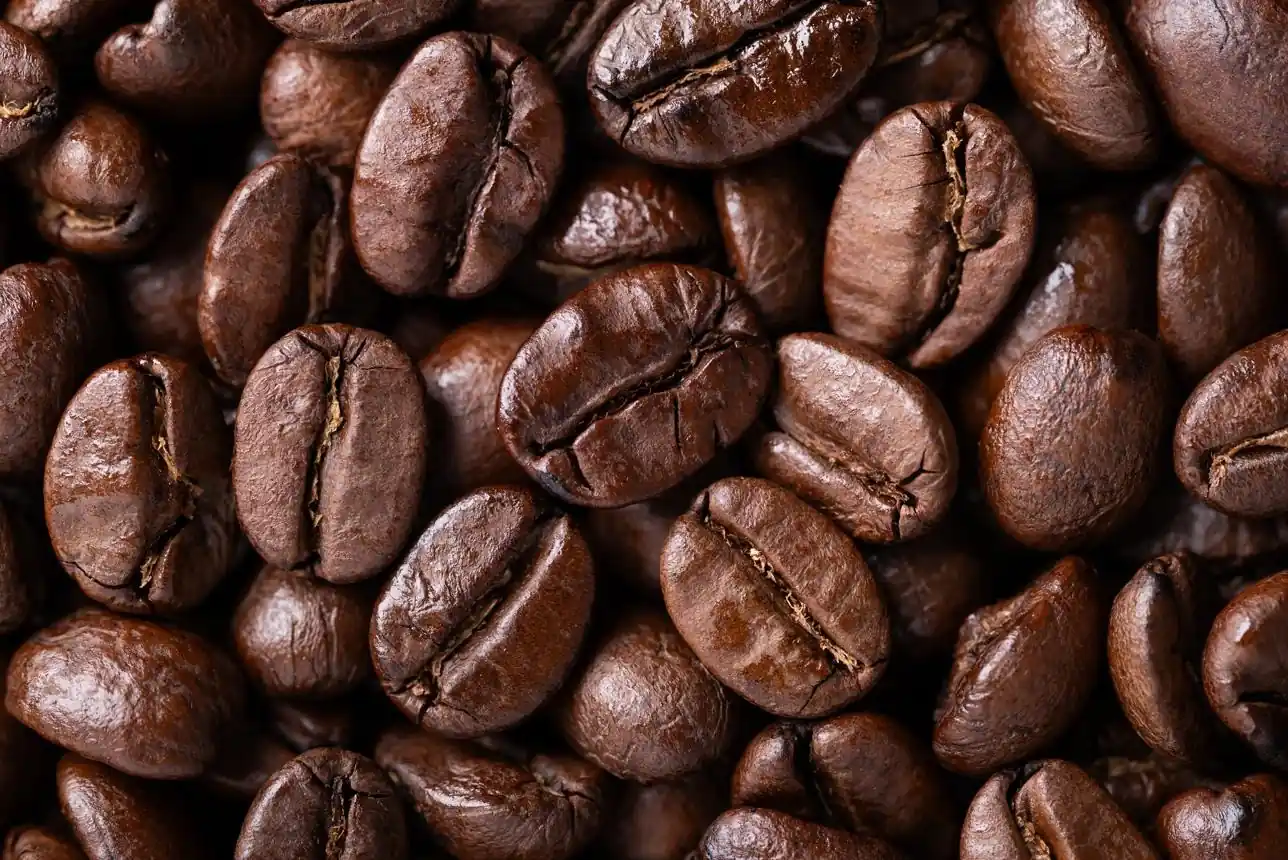
Medium-dark roasts generally develop more roast-driven flavors and become more porous and brittle as roasting progresses. These structural changes influence how the beans break apart in the grinder and how quickly water extracts soluble compounds.
A somewhat coarser grind than the one used for a light roast can help prevent excessive resistance and overly intense roast-derived flavors. However, the correct adjustment depends on the specific beans and grinder.
Recommended approach: Start around 275–375 microns and monitor shot time, beverage yield, and flavor. If the espresso flows too quickly and tastes sour or weak, move finer in small increments. If the flow is restricted and the result tastes harsh or excessively bitter, consider a coarser setting.
Medium-dark espresso often works well at moderate brew temperatures, such as 90–94°C (194–201°F), depending on the machine and desired flavor profile.
4. Dark Roast Espresso Grind Size: Approximately 300–400 Microns
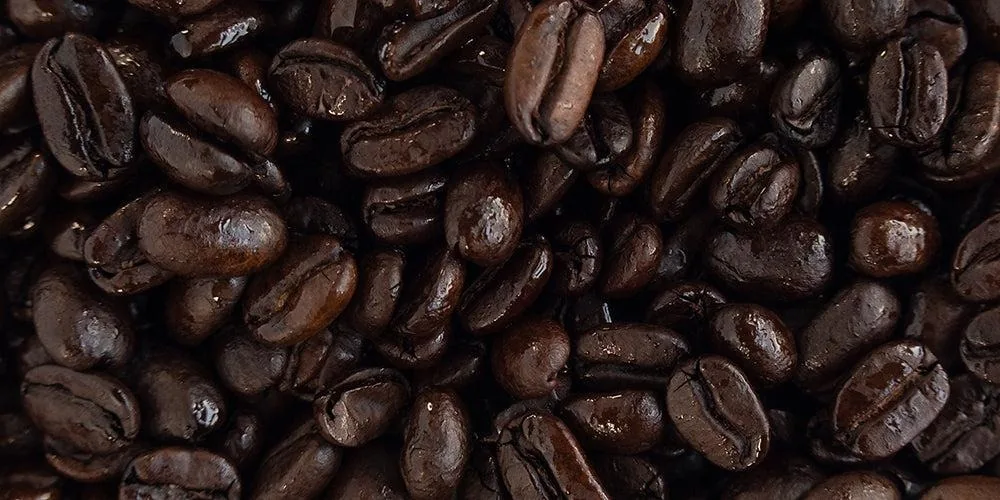
Dark-roasted coffee is generally more porous, more brittle, and easier to extract than light-roasted coffee. It may also produce a different distribution of fines during grinding.
Grinding dark roast coffee too finely can create excessive resistance to water flow, especially when the grinder produces substantial fines. The result may be an uneven extraction or an espresso with intense bitterness, smoky flavors, and a dry finish.
Recommended approach: Start with a slightly coarser grind, perhaps around 300–400 microns median particle size, and adjust according to the result. A lower brew temperature, such as 88–92°C (190–198°F), can also help moderate harsh roast characteristics.
Importantly, not every dark roast requires a coarse grind. A particular coffee may still need a finer setting or higher temperature to achieve suitable flow and flavor balance.
How Grind Size in Microns Affects Espresso Extraction
Espresso extraction and grind size are closely linked: grind size affects both how quickly water passes through the coffee puck and how efficiently soluble compounds move into the espresso. Smaller particles provide greater surface area relative to their volume, which can increase extraction. However, finer is not always better.
The following table summarizes common grind-related symptoms and adjustments.
These symptoms are diagnostic clues, not definitive proof of a particular problem. For example, channeling can produce sour and bitter flavors in the same shot because some areas of the puck extract more than others.
The proportion of very fine particles can significantly influence espresso extraction dynamics. This demonstrates why two grinders with similar median particle sizes may produce different results.
How to Dial In Espresso for Different Roast Levels
Rather than relying entirely on a micron measurement, use a repeatable dialing-in process.
Choose a starting grind size. Begin with the recommended range for the roast level, treating it as an experimental guide.
Keep the dose consistent. For example, use 18 grams of ground coffee in the same basket for every test.
Set a target beverage yield. A 1:2 ratio, such as 18 grams of coffee producing 36 grams of espresso, is a useful baseline.
Measure extraction time. Record the time needed to reach the target beverage weight. Approximately 25–35 seconds is a common starting window, not a strict requirement.
Taste the espresso. Adjust the grind in small increments, changing other variables only when necessary.
Record the results. Keep notes on roast level, grinder setting, dose, yield, extraction time, and flavor.
This approach helps establish a repeatable recipe for each coffee. It also makes it easier to determine whether a change in grind size actually improves the espresso.
Can You Measure Espresso Grind Size Accurately?
Yes, but accurate measurement requires appropriate equipment and a clear understanding of what is being measured.
Particle-size analyzers can use laser diffraction or image analysis to characterize the distribution of ground coffee. Sieves can also separate particles into size ranges, although very fine coffee particles can be difficult to measure consistently using ordinary sieving methods.
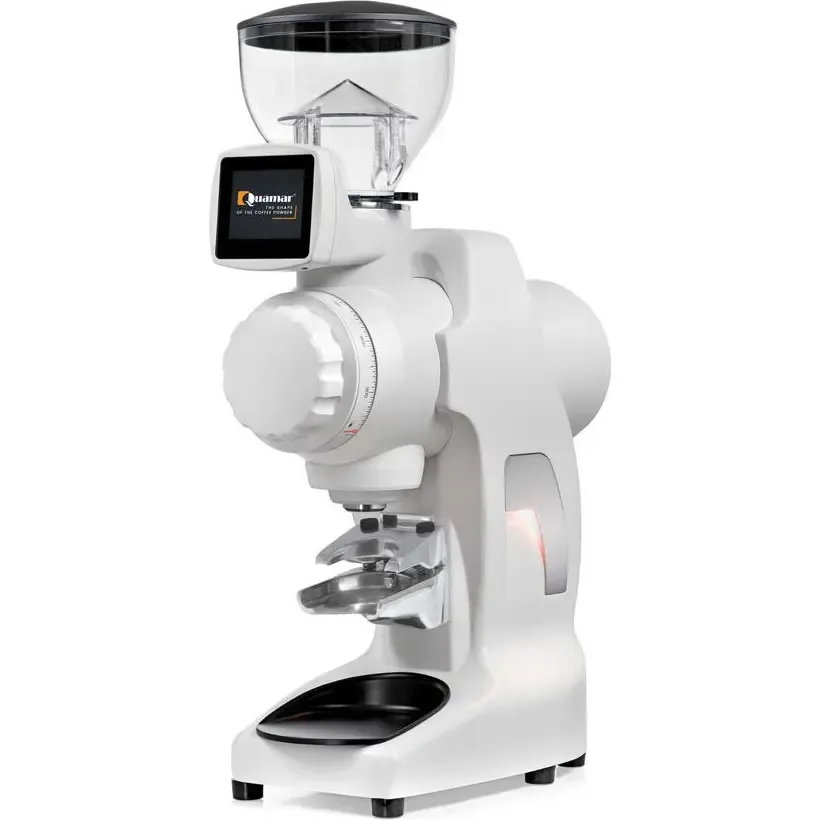
Most home baristas and coffee shops do not need to measure every grind in microns. A capable espresso grinder, a precision scale, consistent puck preparation, and careful tasting are generally more practical.
Micron measurements are most useful for research, grinder comparisons, and controlled experiments. When comparing measurements, make sure the same method is used and that the reported value represents the same statistic, such as median particle size rather than the smallest or largest particle.
Frequently Asked Questions About Espresso Grind Size
Is espresso grind size always below 400 microns?
No. Espresso grounds contain a range of particle sizes, including fine particles and larger fragments. Some particles can exceed 400 microns even when the overall grind is appropriate for espresso.
Should light-roasted coffee always be ground finer than dark-roasted coffee?
Not always, but light roasts often benefit from finer grinding because they can be more difficult to extract. Dark roasts are generally more soluble and porous, so a somewhat coarser grind may work better. Bean characteristics and grinder design can change these tendencies.
Does a finer grind always produce stronger espresso?
Finer grinding can increase the concentration of dissolved coffee compounds under otherwise similar conditions. However, beverage strength also depends on dose, beverage yield, and extraction conditions. Excessively fine grinding can restrict flow and encourage uneven extraction.
What is the best micron size for a double espresso?
There is no universal best value. A median particle size around 250–350 microns can serve as an initial experimental range for many medium-roasted coffees, but the appropriate setting depends on the grinder, beans, basket, and recipe.
Should I change my grinder setting when switching coffee beans?
Usually, yes. Different roast levels, origins, processing methods, and freshness levels can affect flow and extraction. Re-dialing the grinder whenever you introduce a new coffee helps maintain consistent results.
Conclusion
Understanding espresso grind size in microns gives baristas a useful way to explore the relationship between particle size, roast level, and extraction. Light roasts often benefit from finer grinding, medium roasts typically offer flexibility, and darker roasts may perform better with a slightly coarser setting.
The suggested ranges of 50–200 microns for light roasts, 250–350 microns for medium roasts, and 300–400 microns for dark roasts are starting points for experimentation, not fixed standards. The best espresso grind size is the one that produces balanced flavor, suitable flow, and repeatable extraction with your particular coffee and equipment.